
Exosome therapy represents a groundbreaking advancement in the field of regenerative medicine, offering a sophisticated, cell-free approach to healing and tissue repair. As a leading center for advanced regenerative treatments in Malaysia, located in Damansara Utama, Petaling Jaya, Selangor, we are dedicated to providing our patients with access to the most innovative therapies available. This detailed guide explores the science, applications, and benefits of exosome therapy, addressing its growing prominence in the Malaysian medical landscape.
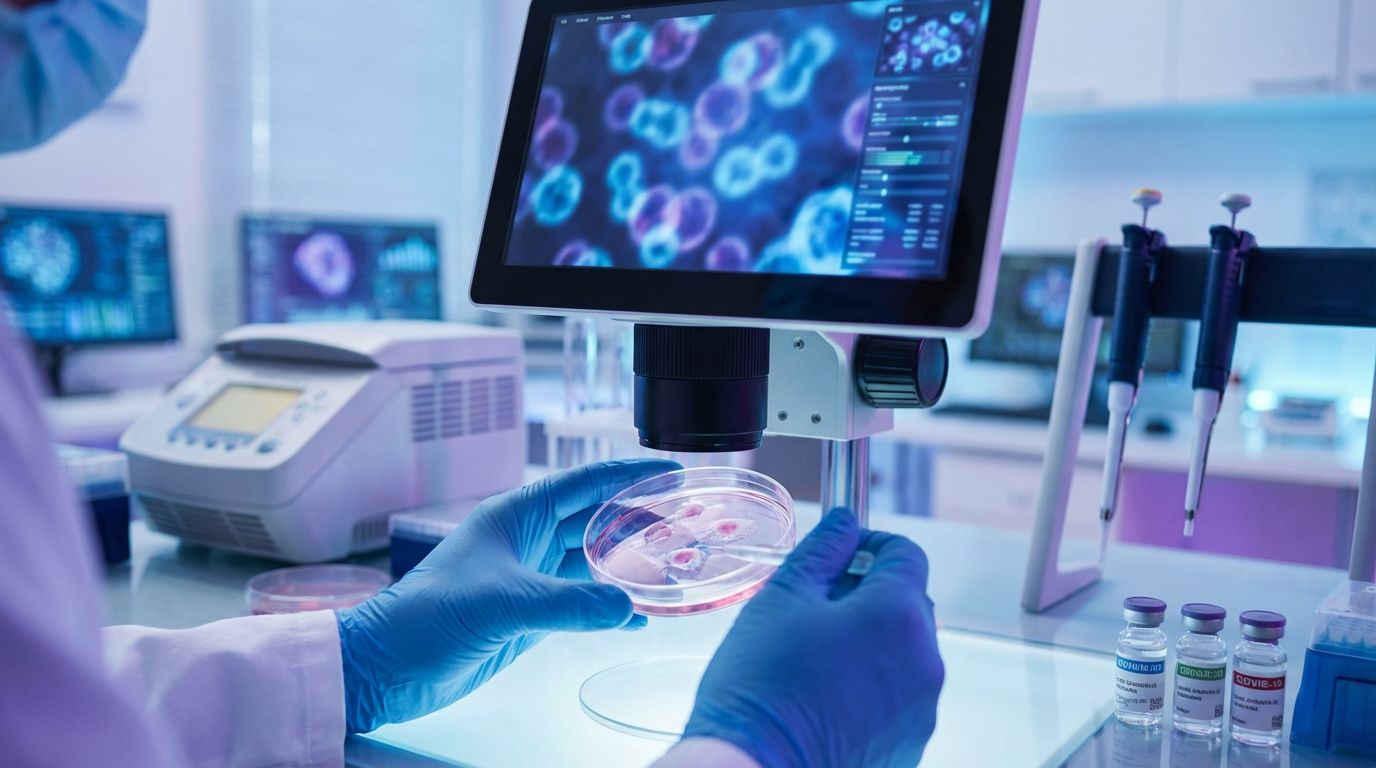
Understanding Exosomes: Nature's Messengers
Exosomes are tiny, nanometer-sized extracellular vesicles—small bubbles released by almost all cell types, including stem cells. Far from being cellular waste, these vesicles are vital intercellular communicators, acting as nature's sophisticated delivery system. They carry a cargo of bioactive molecules, including proteins, lipids, and nucleic acids (like mRNA and microRNA), from their parent cell to recipient cells [1] [2].
The primary function of exosomes is to facilitate communication between cells, instructing the recipient cells to perform specific tasks, such as reducing inflammation, promoting tissue repair, or initiating regeneration. When derived from potent sources like mesenchymal stem cells (MSCs), exosomes are believed to carry much of the stem cells' regenerative capacity, making them a powerful tool in cell-free therapy [3].
Exosomes vs. Stem Cells: A Cell-Free Advantage
While traditional stem cell therapy involves injecting living cells, exosome therapy is a cell-free treatment. This distinction offers several potential advantages:
| Feature | Exosome Therapy | Stem Cell Therapy |
|---|---|---|
| Composition | Acellular (vesicles, proteins, RNA) | Live, intact cells |
| Mechanism | Direct delivery of signaling molecules | Cell differentiation and paracrine signaling |
| Size | Nanometer-sized (30-150 nm) | Micrometer-sized (larger) |
| Immunogenicity | Generally lower risk | Potential for immune rejection (though low with autologous/MSCs) |
| Storage/Handling | Easier to store and transport | Requires cryopreservation and careful handling |
The cell-free nature of exosomes means they can bypass some of the regulatory and logistical challenges associated with handling live cells, while still delivering the powerful regenerative signals necessary for healing [4].
The Science Behind Exosome Efficacy
The remarkable efficacy of exosomes lies in their complex molecular payload. Unlike simple growth factors, exosomes deliver a comprehensive set of instructions to target cells. This cargo includes hundreds of different proteins, lipids, and, most importantly, microRNAs (miRNAs). These miRNAs are small, non-coding RNA molecules that can regulate gene expression in the recipient cell. By transferring these genetic instructions, exosomes can effectively "reprogram" damaged or dysfunctional cells to adopt a healthier, regenerative state. For instance, they can switch off genes that promote inflammation and switch on genes that stimulate tissue repair and collagen production. This sophisticated, multi-faceted signaling mechanism is what sets exosome therapy apart as a highly advanced form of regenerative medicine, offering targeted and sustained therapeutic effects at the cellular level.
Clinical Applications of Exosome Therapy
The therapeutic potential of exosomes is vast, spanning multiple medical disciplines due to their ability to modulate inflammation, promote angiogenesis (new blood vessel formation), and stimulate cellular proliferation.
1. Orthopedic and Joint Pain Management
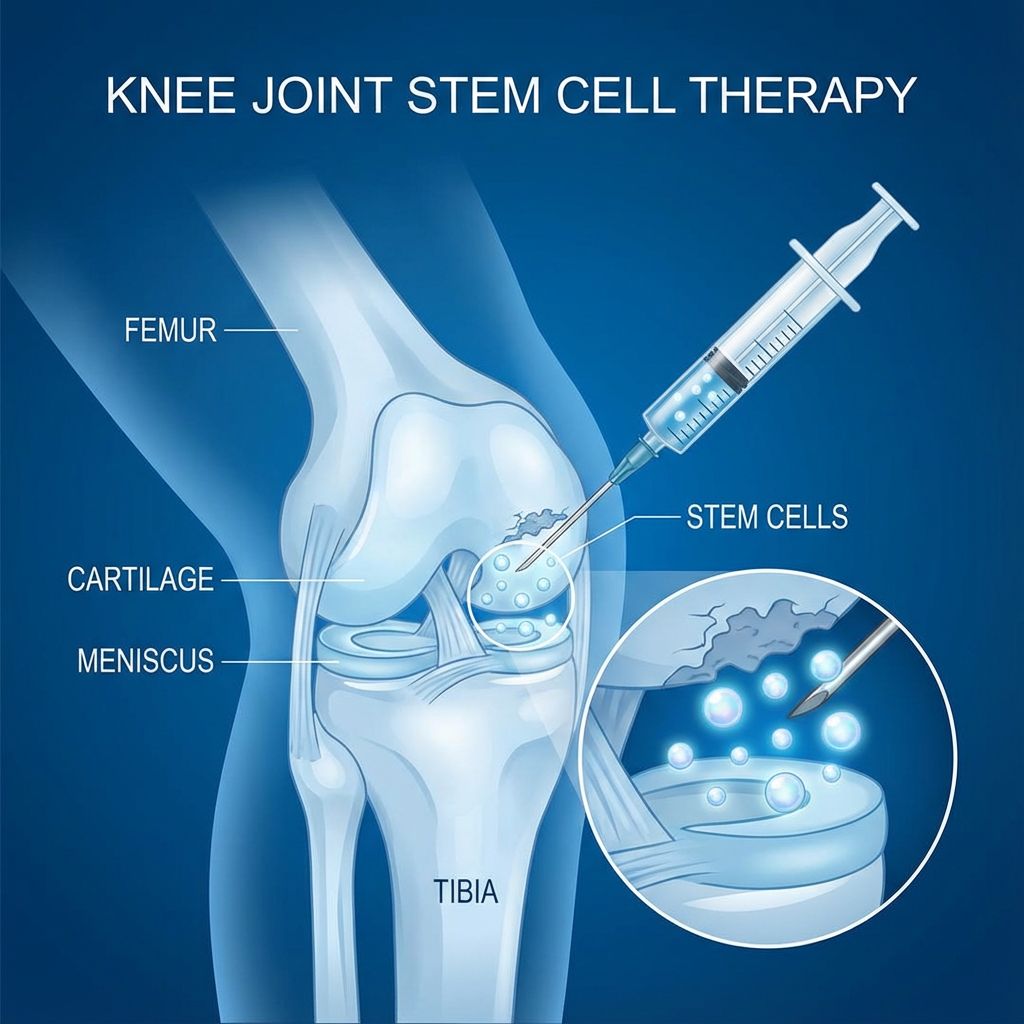
Exosome therapy is increasingly utilized for conditions like osteoarthritis, tendonitis, and ligament injuries. By delivering anti-inflammatory and pro-regenerative signals directly to the site of injury, exosomes can help:
- Reduce chronic pain and swelling in joints.
- Promote cartilage and tissue repair, offering a non-surgical alternative for joint health [5].
- Improve mobility and function, particularly in degenerative joint diseases.
2. Aesthetic and Dermatological Rejuvenation
In aesthetics, exosomes are a cutting-edge tool for combating the signs of aging and improving skin health. They are applied to:
- Repair and regenerate damaged skin cells, promoting a more youthful and radiant appearance.
- Stimulate collagen and elastin production, improving skin elasticity and firmness.
- Accelerate wound healing and reduce scarring [6].
3. Neurological and Systemic Support
Emerging research suggests a role for exosomes in more complex systemic conditions, including:
- Inflammatory conditions: Their potent anti-inflammatory properties make them candidates for managing various chronic inflammatory diseases.
- Tissue Repair: Studies have shown promise in promoting tissue repair in organs like the heart following injury, by promoting angiogenesis and improving function [7].
Exosome Therapy in Malaysia: Regulatory Landscape and Safety
The field of regenerative medicine in Malaysia is governed by the Ministry of Health (MOH) and the National Pharmaceutical Regulatory Agency (NPRA). It is crucial for patients to understand the current regulatory environment.
While the MOH has established guidelines for stem cell therapy, the regulatory framework for advanced, futuristic treatments like exosome therapy is still evolving. As of the latest updates, Malaysia lacks dedicated, robust legislation exclusively regulating exosome therapies [8]. This means that while treatments are available, patients must seek out reputable clinics that adhere to the highest international standards of practice, source their exosomes from certified, quality-controlled laboratories, and operate with full transparency. The future of exosome therapy in Malaysia is bright, with ongoing efforts by medical professionals and regulatory bodies to establish clearer guidelines. We anticipate that as clinical evidence grows and global standards solidify, Malaysia will continue to embrace this innovative field, making it a regional hub for advanced regenerative treatments. Choosing a clinic that actively participates in this evolution is key to receiving the most current and effective care.
Our Commitment to Safety and Quality:
We prioritize patient safety above all else. Our exosome products are sourced from cGMP-compliant facilities, ensuring sterility, purity, and potency. We adhere to ethical guidelines and provide comprehensive patient education, ensuring you are fully informed about the treatment process and expected outcomes.
The Treatment Process: What to Expect
A typical exosome therapy journey involves several key steps, designed for patient comfort and maximum therapeutic effect:
- Consultation and Assessment: A thorough medical history review and physical examination are conducted to determine if exosome therapy is the right treatment for your condition. Diagnostic imaging (e.g., X-rays, MRI) may be used to precisely identify the treatment area and the extent of the condition. This initial step is critical for tailoring the treatment plan to your specific needs.
- Product Preparation: The exosome product is prepared under strict, sterile conditions in a clean-room environment. This ensures the highest level of purity and concentration of the therapeutic vesicles before administration.
- Precision Administration: Depending on the condition, the exosomes are administered via localized injection (e.g., into a joint or under the skin) or intravenously. For localized treatments, we often utilize ultrasound or fluoroscopy guidance. This advanced imaging technology allows our specialists to visualize the internal structures in real-time, ensuring the exosomes are delivered with pinpoint accuracy directly to the site of injury or inflammation, maximizing the regenerative potential. The procedure is typically quick and minimally invasive.
- Post-Treatment Care: Patients are given specific instructions for post-procedure care, typically involving rest and avoiding strenuous activity for a short period. This phase is crucial for allowing the exosomes to begin their work without disruption. We emphasize gentle movement and hydration.
- Follow-up and Monitoring: Regular follow-up appointments are scheduled to monitor progress and assess the regenerative response. We track improvements in pain, function, and overall well-being, adjusting any complementary therapies as needed to ensure the best possible long-term outcome.
Why Choose Our Clinic for Exosome Therapy in Malaysia?
Choosing the right clinic is paramount for a successful regenerative medicine outcome. Our clinic, conveniently located at No 27M, Jalan SS 21/56b, Damansara Utama, 47400 Petaling Jaya, Selangor, Malaysia, stands out for several reasons:
- Expertise in Regenerative Medicine: Our medical team has extensive experience in stem cell and cell-free therapies, ensuring expert application and patient management.
- Commitment to Quality: We use only premium, lab-certified exosome products.
- Holistic Patient Care: We integrate exosome therapy into a comprehensive treatment plan tailored to your unique health needs.
Take the Next Step Towards Regeneration. If you are exploring advanced, non-surgical options for chronic pain, injury recovery, or aesthetic rejuvenation, exosome therapy may be the solution you've been searching for.
Ready to Explore Exosome Therapy?
Schedule a confidential consultation with our specialists to discuss your treatment options and start your journey to regeneration.
Schedule Your Consultation TodayRelated Treatments and Information
- Learn more about our Stem Cell Therapy options.
- Explore our full range of Regenerative Medicine services.
References
- Bioinformant. An Introduction to Exosome Therapy And Its Costs.
- Mayo Clinic News Network. Beyond stem cells, regenerative medicine finds exosomes.
- Stanford Medicine. Harnessing the power of exosomes for regenerative therapies.
- DVC Stem. Exosomes vs Stem Cells: Differences & Utility (2025).
- Texas Spine and Pain. 5 Benefits of Exosome Therapy for Joint Pain.
- The Youth Fountain. The Future of Skincare: Exosome Therapy and Its Benefits.
- PMC. Clinical Applications of Exosomes: A Critical Review.
- ScienceDirect. Current guidelines, challenges and future ....