
Stem cell therapy, a revolutionary field within regenerative medicine, has gained significant traction globally, and Malaysia is rapidly emerging as a key player in the Asia-Pacific region. As we look towards 2025, the landscape of stem cell treatment in Malaysia is characterized by advancements in clinical application, a maturing regulatory framework, and a growing number of specialized centers offering cutting-edge therapies. This comprehensive guide explores the current status, benefits, regulatory environment, and helps patients identify the best options for stem cell therapy in Malaysia.
Understanding Stem Cell Therapy and Regenerative Medicine
Stem cells are the body's raw materials—cells from which all other cells with specialized functions are generated. Under the right conditions in the body or a laboratory, stem cells divide to form more cells called daughter cells. These daughter cells either become new stem cells (self-renewal) or become specialized cells (differentiation) with a more specific function, such as blood cells, brain cells, heart muscle cells, or bone cells.
Regenerative medicine is the branch of medicine that develops methods to regrow, repair, or replace damaged or diseased cells, organs, or tissues. Stem cell therapy is a core component of this field, utilizing the unique properties of stem cells to treat a variety of conditions.
Types of Stem Cells Used in Therapy
The most common types of stem cells used in clinical settings in Malaysia include:
| Type of Stem Cell | Source | Common Applications |
|---|---|---|
| Mesenchymal Stem Cells (MSCs) | Bone marrow, adipose (fat) tissue, umbilical cord tissue | Orthopedic injuries, autoimmune diseases, anti-aging, chronic pain |
| Hematopoietic Stem Cells (HSCs) | Bone marrow, peripheral blood, umbilical cord blood | Blood cancers (leukemia, lymphoma), inherited blood disorders |
| Induced Pluripotent Stem Cells (iPSCs) | Reprogrammed adult cells | Research, drug screening, potential for personalized regenerative therapies |
The Landscape of Stem Cell Therapy in Malaysia in 2025
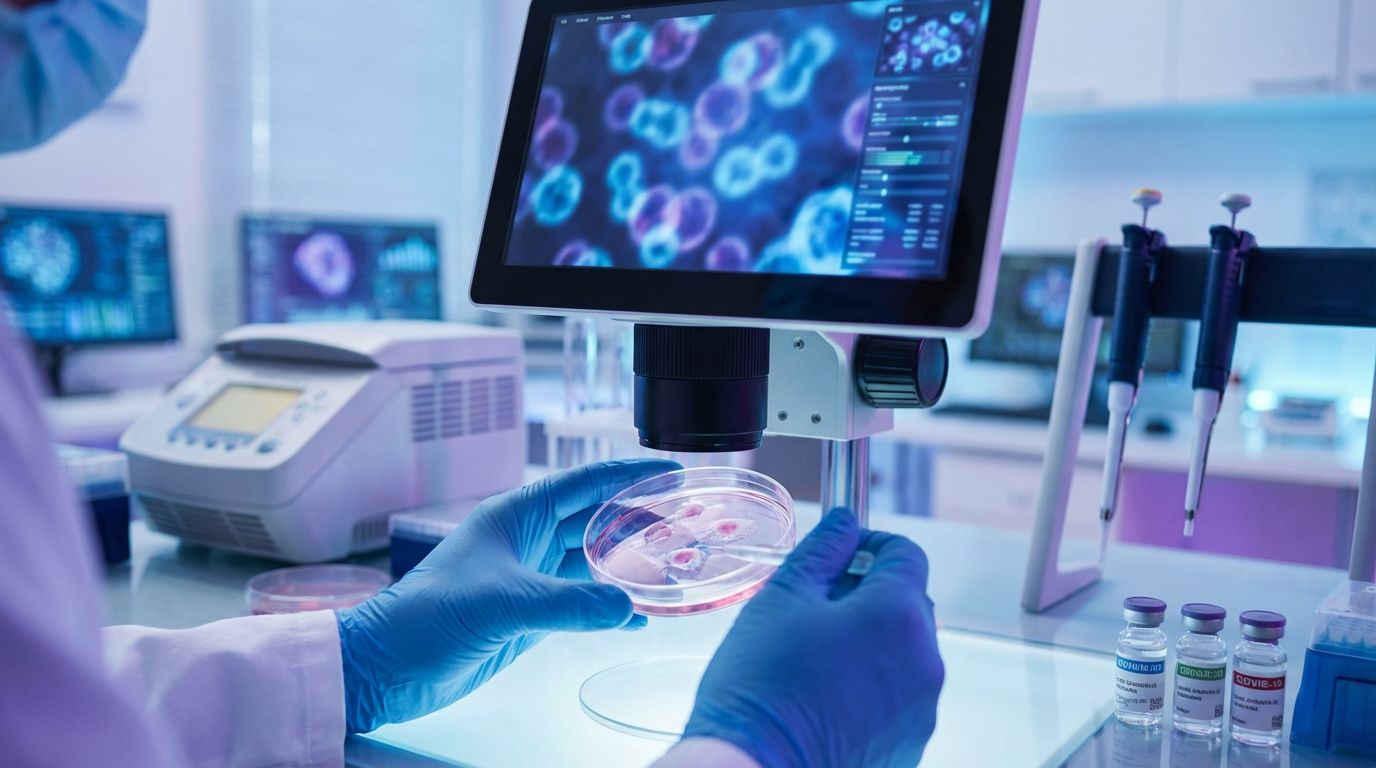
The year 2025 marks a period of consolidation and specialization for stem cell therapy in Malaysia. Driven by both government support for research and private sector investment, the country is positioning itself as a medical tourism hub for regenerative treatments.
Key Advancements and Trends
1. Focus on MSCs: Mesenchymal Stem Cells (MSCs), particularly those derived from the umbilical cord, remain the most popular and widely studied for their immunomodulatory and anti-inflammatory properties.
2. Increased Specialization: Clinics are increasingly specializing in specific areas, such as orthopedic regeneration, neurological disorders, and aesthetic/anti-aging treatments.
3. Integration with Wellness: Stem cell therapy is being integrated into comprehensive wellness and longevity programs, moving beyond just disease treatment to proactive health optimization.
Regulatory Framework and Patient Safety
Patient safety and ethical practice are paramount in regenerative medicine. Malaysia has established a robust, albeit evolving, regulatory framework to govern stem cell research and clinical application.
The Role of the Ministry of Health (MOH)
The Ministry of Health (MOH) Malaysia, through the National Pharmaceutical Regulatory Agency (NPRA), is the primary body overseeing the field. The Guidelines on Stem Cell and Cell-Based Research and Therapy (3rd Edition, updated recently) provide the foundational rules for practitioners and institutions [1].
Key Regulatory Points:
- Product Classification: Stem cell products are classified as either "Advanced Therapy Products" (ATPs) or "Cell and Gene Therapy Products" (CGTPs).
- Licensing: Clinics and hospitals must be licensed by the MOH to perform stem cell procedures, ensuring they meet stringent standards for cell processing, storage, and administration.
- Ethical Oversight: All research and clinical trials must receive approval from the Medical Research and Ethics Committee (MREC).
Patients are strongly advised to only seek treatment from MOH-licensed facilities to ensure the highest standards of safety and efficacy.
Identifying the Best Stem Cell Clinic in Malaysia
Choosing the best stem cell clinic in Malaysia requires careful due diligence. While many centers offer treatments, the quality of care, expertise of the medical team, and adherence to regulatory standards can vary significantly.
Criteria for Selection
To help you identify a reputable and high-quality center, consider the following criteria:
| Selection Criteria | Description | Why it Matters |
|---|---|---|
| MOH Licensing & Accreditation | The clinic and its cell processing lab must be officially licensed by the Ministry of Health. | Ensures regulatory compliance and patient safety standards are met. |
| Medical Team Expertise | Look for doctors and specialists with formal training and extensive experience in regenerative medicine and the specific condition being treated. | Experienced practitioners lead to better patient outcomes and fewer complications. |
| Source and Quality of Cells | The clinic should be transparent about the source (e.g., umbilical cord, adipose) and the quality control measures (e.g., cell viability, sterility) of the stem cells used. | High-quality, viable cells are essential for therapeutic effectiveness. |
| Patient Outcomes & Testimonials | Review verifiable patient testimonials and, where possible, clinical data on treatment success rates for your specific condition. | Provides real-world evidence of the clinic's effectiveness. |
| Transparency in Cost and Procedure | A reputable clinic will provide a clear breakdown of costs, the exact procedure, and post-treatment care plan. | Avoids hidden fees and ensures you understand the commitment required. |
Leading Centers and Recognition
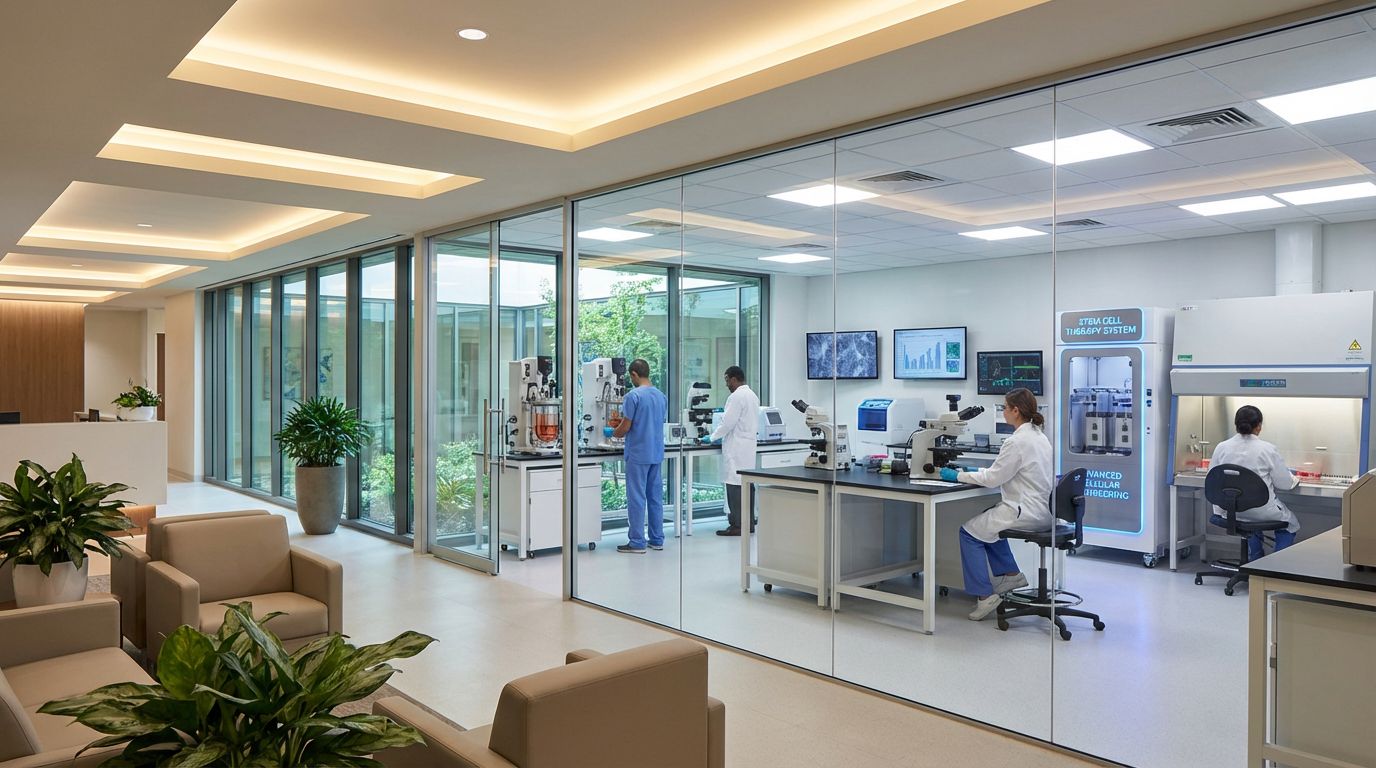
Several Malaysian centers have gained recognition for their work in the field. For instance, centers focusing on specific applications, such as vision restoration or orthopedic repair, have received regional awards, highlighting the specialized expertise available in the country [2].
Common Applications of Stem Cell Therapy
Stem cell therapy is being explored for a wide range of conditions. While some applications are still in the clinical trial phase, others are offered as established treatments in licensed Malaysian clinics.
Orthopedic and Musculoskeletal Conditions
Stem cells are highly effective in promoting the repair of damaged cartilage, tendons, and ligaments. Applications include:
- Osteoarthritis (knee, hip, shoulder)
- Tendon and ligament tears (e.g., ACL, rotator cuff)
- Spinal disc degeneration
Autoimmune and Inflammatory Diseases
Due to their powerful immunomodulatory effects, MSCs are used to help regulate the immune system in conditions such as:
- Rheumatoid Arthritis
- Systemic Lupus Erythematosus (SLE)
- Multiple Sclerosis
Anti-Aging and Wellness
Stem cell infusions are increasingly popular for general wellness, aiming to:
- Improve energy levels and vitality
- Enhance skin quality and reduce signs of aging
- Support cognitive function
The Treatment Process: What to Expect
A typical stem cell therapy journey in Malaysia involves several stages:
- Initial Consultation: A specialist reviews the patient's medical history, diagnoses the condition, and determines suitability for stem cell therapy.
- Cell Sourcing and Preparation: This involves harvesting stem cells (e.g., from the patient's own fat or bone marrow, or using ethically sourced, screened umbilical cord-derived cells). The cells are then processed and expanded in a certified laboratory.
- Administration: The cells are administered to the patient, often via intravenous infusion, or localized injection directly into the affected area (e.g., a joint).
- Post-Treatment Care: Follow-up appointments, lifestyle recommendations, and rehabilitation are crucial for maximizing the therapeutic effect.
Further Reading
To learn more about specific treatments and our commitment to regenerative medicine, please explore the following pages:
Ready to explore how stem cell therapy can transform your health?
CALL US TODAY FOR A FREE CONSULTATION LEARN MORE ABOUT OUR LICENSED FACILITYConclusion
The outlook for stem cell therapy in Malaysia 2025 is exceptionally promising. With clear regulatory guidance, a growing pool of expert practitioners, and a commitment to utilizing advanced cellular technologies, Malaysia offers a safe and effective destination for those seeking regenerative treatments. By prioritizing licensed clinics and experienced specialists, patients can confidently access some of the best stem cell clinic in malaysia options available in the region.