
Introduction: Understanding Spinal Cord Injury and the Promise of Stem Cells
Spinal Cord Injury (SCI) is a life-altering condition resulting from damage to the spinal cord, leading to partial or complete loss of motor, sensory, and autonomic function below the level of injury. Conventional treatments, while crucial for stabilization and rehabilitation, often reach a plateau, leaving patients with persistent functional deficits. In this context, stem cell therapy has emerged as a revolutionary, regenerative approach, offering new hope for functional recovery. Our focus is on the advanced and regulated options for spinal cord injury stem cell therapy malaysia.
SCI is a complex pathology that involves two distinct phases: the primary mechanical injury and the secondary injury cascade. The primary injury is the immediate physical trauma, while the secondary injury involves a destructive sequence of events—inflammation, ischemia, free radical production, and apoptosis—that expands the initial damage over hours and days. It is this secondary injury that stem cell interventions primarily aim to mitigate.
The fundamental concept of stem cells lies in their unique ability to self-renew and differentiate into various specialized cell types. In the context of SCI, stem cells are not merely seen as replacement cells, but as powerful modulators of the hostile post-injury environment. They possess potent anti-inflammatory, neuroprotective, and regenerative properties that can halt the secondary damage and promote the body's intrinsic repair mechanisms. Learn more about general stem cell applications here.
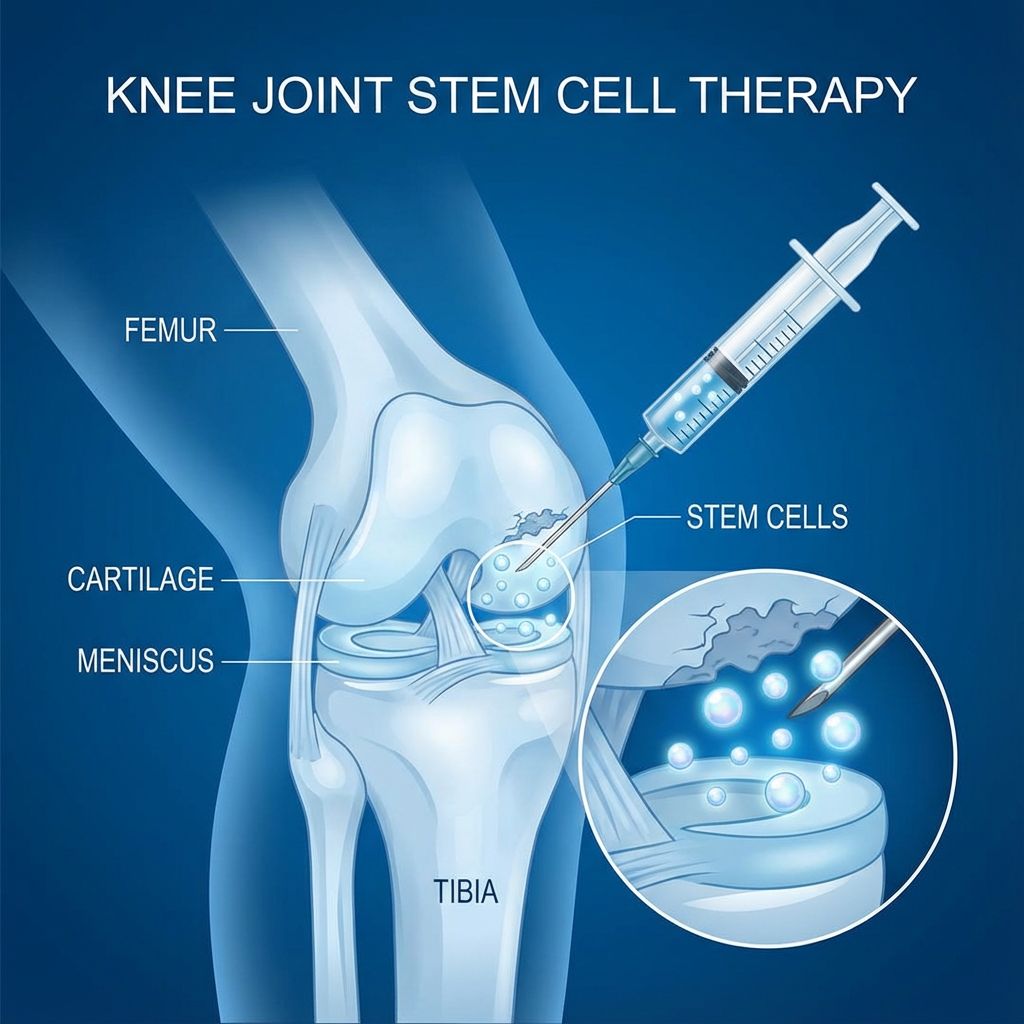
Image: Illustrative diagram of stem cells modulating the injury site.
The Science Behind Stem Cell Therapy for SCI
How Stem Cells Work to Repair the Spinal Cord
The most extensively studied and clinically applied cell type for SCI is the Mesenchymal Stem Cell (MSC). These multipotent stromal cells, typically sourced from bone marrow, adipose tissue, or umbilical cord tissue, are favored due to their ease of isolation, low immunogenicity, and remarkable paracrine effects. Their therapeutic action is multifaceted, targeting several key aspects of SCI pathology:
- Immunomodulation and Anti-inflammation: MSCs are potent regulators of the immune system. Following transplantation, they migrate to the injury site and secrete a host of anti-inflammatory cytokines, effectively dampening the excessive inflammatory response that drives the secondary injury. This reduction in inflammation helps to preserve viable neural tissue.
- Neurotrophic Factor Secretion: MSCs act as "mini-pharmacies," releasing crucial neurotrophic factors such as Brain-Derived Neurotrophic Factor (BDNF), Glial Cell Line-Derived Neurotrophic Factor (GDNF), and Nerve Growth Factor (NGF). These factors support the survival of existing neurons, promote axonal sprouting, and encourage the growth of new connections across the injury gap.
- Angiogenesis: The damaged spinal cord often suffers from poor blood supply (ischemia). MSCs secrete pro-angiogenic factors like Vascular Endothelial Growth Factor (VEGF), which stimulates the formation of new blood vessels, improving oxygen and nutrient delivery to the compromised tissue.
- Extracellular Matrix Remodeling: MSCs can influence the composition of the extracellular matrix, helping to break down the glial scar—a physical and chemical barrier that inhibits axonal regeneration—and create a more permissive environment for nerve fiber growth.
While MSCs are the clinical mainstay, research continues to explore other cell types. Neural Stem Cells (NSCs) and Induced Pluripotent Stem Cells (iPSCs) hold the theoretical potential to directly replace lost neurons and glia, but their clinical application is still largely confined to early-phase trials due to complexities in differentiation control and tumor risk. The current success of spinal cord injury stem cell therapy malaysia is largely built upon the proven safety and paracrine benefits of MSCs.
Clinical Evidence and Safety Profile
Clinical Trials, Efficacy, and the Safety of SCI Stem Cell Treatment
The journey of stem cell therapy from bench to bedside has been marked by rigorous clinical investigation. Multiple Phase I and Phase II clinical trials worldwide have consistently demonstrated the safety and feasibility of stem cell transplantation for SCI. A key finding across numerous studies is the low incidence of severe adverse events directly attributable to the cell transplantation itself [1]. For instance, studies involving autologous adipose-derived stem cells have shown a favorable safety profile, paving the way for larger efficacy trials [2].
Regarding efficacy, the results are promising but must be interpreted with scientific balance. While stem cell therapy is not a "cure," many patients, particularly those with subacute (weeks to months post-injury) and chronic SCI, have reported measurable improvements. These improvements often manifest as enhanced motor function (e.g., increased muscle strength, better hand dexterity), improved sensation below the level of injury, and better autonomic function (e.g., bladder and bowel control). The most significant gains are often seen in the reduction of neuropathic pain and spasticity, which dramatically improves the patient's quality of life.
The administration of stem cells varies depending on the injury and the cell type. Common routes include intrathecal injection (into the spinal fluid), intravenous infusion (for systemic effects), or direct injection into the spinal cord lesion site. The choice of delivery method is a critical component of the personalized treatment plan.
Stem Cell Therapy in Malaysia: Regulatory Landscape and Expertise
Why Choose Malaysia for Spinal Cord Injury Stem Cell Therapy?
Malaysia has strategically positioned itself as a leading destination for regenerative medicine and stem cell therapy in Asia. This is not merely due to its world-class medical infrastructure, but critically, its commitment to safe and ethical practice governed by a robust regulatory framework.
The regulatory environment is overseen by the Ministry of Health (MOH) and is guided by the Cell and Gene Therapy Products (CGTP) regulations. These comprehensive frameworks ensure that all stem cell research and clinical applications are based on sound scientific principles and adhere to international best practices. This strict oversight provides patients seeking spinal cord injury stem cell therapy malaysia with confidence in the quality and safety of the procedures. The regulations ensure that only high-quality, ethically sourced, and properly characterized stem cells are used in treatment.
Our clinic, located at No 27M, Jalan SS 21/56b, Damansara Utama, 47400 Petaling Jaya, Selangor, Malaysia, operates in full compliance with these national guidelines. We utilize state-of-the-art, certified laboratories for cell processing, ensuring the highest standards of purity and viability for the stem cells used in your treatment plan.
The Treatment Process and Patient Suitability
What to Expect: The Stem Cell Therapy Journey for SCI Patients
Patient Suitability and Consultation
Not every SCI patient is an ideal candidate. The best outcomes are typically observed in patients with incomplete injuries or those in the subacute phase, though chronic patients can also benefit significantly from the neuroprotective and anti-inflammatory effects. A thorough consultation involves a detailed review of the patient's medical history, neurological examination, and advanced imaging (MRI/CT) to assess the extent and nature of the spinal cord damage. This personalized approach ensures that the therapy is tailored to the individual's specific condition and potential for recovery.
The Procedure
Once deemed suitable, the treatment procedure is carefully planned. If autologous (patient's own) cells are used, the process begins with a minor procedure to harvest the source material (e.g., bone marrow or adipose tissue). The cells are then transported to a certified Good Manufacturing Practice (GMP) laboratory for processing and expansion. This expansion phase ensures a sufficient, therapeutic dose of high-quality stem cells. Finally, the cells are administered to the patient via the chosen route, often an intrathecal injection, which is a minimally invasive procedure.
Post-Treatment Care and Rehabilitation
It is vital to understand that stem cell therapy is not a standalone treatment but a catalyst for regeneration. To maximize the potential for functional recovery, it must be integrated into a comprehensive, intensive rehabilitation program. Post-treatment care includes physical therapy, occupational therapy, and continuous neurological follow-up. The stem cells create a more favorable environment for repair, but the hard work of rehabilitation is what translates this biological potential into tangible functional gains. Explore other neurological conditions we treat.
Conclusion and Call to Action
Taking the Next Step Towards Regeneration
Spinal cord injury stem cell therapy malaysia represents a significant leap forward in the treatment of SCI, moving beyond mere management to active regeneration. With a foundation of scientific evidence, a strong safety profile, and the rigorous regulatory oversight of the Malaysian Ministry of Health, patients can confidently explore this innovative path to recovery. Our clinic is dedicated to providing ethical, cutting-edge regenerative medicine solutions.
If you or a loved one are researching options for SCI recovery, we encourage you to take the next step. Contact us today for a personalized consultation to discuss your specific condition, review your medical records, and determine your suitability for spinal cord injury stem cell therapy malaysia. A new chapter of hope and potential function awaits.
Schedule Your Consultation NowReferences
- Mayo Clinic. (2024). Study finds stem cell therapy is safe and may benefit people with spinal cord injuries.
- Sugai, K. et al. (2016). A phase III clinical trial showing limited efficacy of autologous mesenchymal stem cell therapy for spinal cord injury. Neurosurgery.
- Imran, S. A. M. et al. (2022). Regenerative Medicine Therapy in Malaysia: An Update. PMC.
- Azmi & Associates. (2024). The Regulatory Framework of Stem Cell Research and Therapy in Malaysia.