
Diabetes mellitus, a chronic condition affecting millions globally, presents a significant challenge to modern healthcare. The disease, characterized by high blood glucose levels, stems from either the body's inability to produce insulin (Type 1 Diabetes, T1D) or its ineffective use of insulin (Type 2 Diabetes, T2D). While conventional treatments, including insulin injections and oral medications, are essential for managing the condition, they often fall short of providing a long-term cure or preventing debilitating complications. This reality has spurred intense research into regenerative medicine and stem cell therapy, which represent a paradigm shift in diabetes treatment. Instead of merely managing symptoms, stem cell therapy aims to address the root causes of the disease, offering the potential for improved quality of life and, in some cases, long-term remission.
Understanding the Science: How Stem Cells Work Against Diabetes
Stem cells are the body's master cells, possessing the remarkable ability to differentiate into various specialized cell types and to self-renew. Among the most promising for diabetes treatment are Mesenchymal Stem Cells (MSCs), which are multipotent stromal cells that can be isolated from various tissues, including bone marrow and adipose tissue. Their therapeutic potential in diabetes is multifaceted, targeting the disease through several interconnected mechanisms:
Immune Modulation and Autoimmunity (Crucial for Type 1 Diabetes)
Type 1 Diabetes is an autoimmune disease where the body's immune system mistakenly attacks and destroys the insulin-producing beta cells in the pancreas. MSCs possess potent immunomodulatory properties. They can "reset" or re-educate the immune system, suppressing the destructive autoimmune response and promoting the creation of regulatory T-cells. This action is vital for preserving any remaining native beta-cell function and preventing the rejection of transplanted cells, offering a crucial lifeline for T1D patients. (Stem Cell Therapy for Autoimmune Disorders)
Beta-Cell Regeneration and Replacement (Crucial for Type 2 Diabetes)
For both T1D and T2D, the ultimate goal is to restore sufficient insulin production. Stem cell research is focused on two main approaches: direct transplantation of stem cell-derived, fully differentiated islet cells, and promoting the regeneration of the patient's own beta cells. MSCs can secrete various growth factors and cytokines that stimulate the repair and proliferation of damaged pancreatic tissue. Recent breakthroughs have demonstrated the successful transplantation of stem cell-derived islet cells, which engrafted, produced endogenous insulin, and restored physiological function, leading to significant improvements in glycemic control.
Improved Insulin Sensitivity (Targeting Type 2 Diabetes)
A hallmark of Type 2 Diabetes is Insulin Resistance (IR), where the body's cells do not respond effectively to insulin. MSCs play a critical role in alleviating IR in insulin target tissues, such as muscle and fat. Studies suggest that MSCs can increase the function of glucose transporter-4 (GLUT4) and improve the phosphorylation of insulin receptor substrate-1 (IRS-1) and protein kinase B (Akt). By enhancing the cellular response to insulin, stem cell therapy can significantly improve glycemic control, leading to reductions in HbA1c levels and a decreased reliance on external insulin or oral hypoglycemic agents. This is a core component of type 2 diabetes regenerative therapy.
Anti-inflammatory and Angiogenic Effects
Chronic, low-grade inflammation is a major contributor to both the progression of diabetes and its associated complications, such as cardiovascular disease and neuropathy. MSCs exert powerful anti-inflammatory effects by modulating the local microenvironment. Furthermore, they promote angiogenesis (the formation of new blood vessels), which can help repair damaged tissues and improve blood flow, particularly in the extremities, a common area affected by diabetic complications. 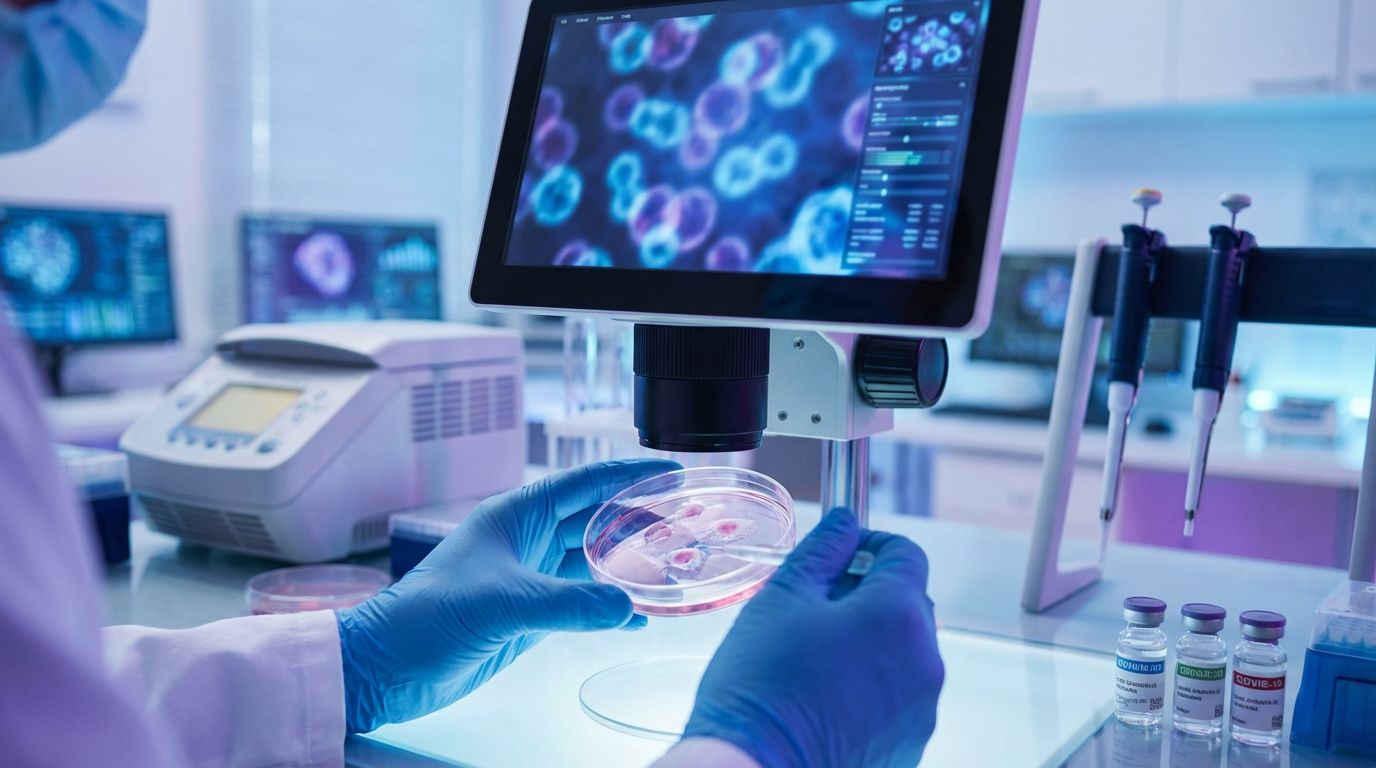
Stem Cell Therapy for Type 2 Diabetes: Targeting the Metabolic Core
While T1D focuses on immune system correction, the application of stem cell therapy for T2D is primarily focused on metabolic restoration. The therapy has demonstrated significant clinical promise, particularly in patients with long-standing T2D. An umbrella review of clinical data has shown that MSC therapy can lead to substantial improvements in glycemic control, with some studies reporting reductions in HbA1c of up to 1.45% and a marked decrease in the requirement for exogenous insulin. The therapy essentially works to restore the body's natural metabolic balance by reducing insulin resistance and supporting the function of the patient's remaining pancreatic cells. This comprehensive approach is what makes type 2 diabetes regenerative therapy a compelling alternative to conventional management.
The Treatment Process: A Patient-Centric Approach
The journey through stem cell therapy is carefully managed and patient-centric. The process typically begins with a thorough medical evaluation to determine suitability. The stem cells used are often autologous (derived from the patient's own body, such as adipose tissue or bone marrow) or allogeneic (derived from a healthy, screened donor). The use of autologous cells minimizes the risk of immune rejection. The administration of the cells is typically performed via a minimally invasive procedure, such as a simple intravenous infusion, allowing the cells to home in on damaged tissues. Post-treatment, patients undergo a structured follow-up protocol to monitor their metabolic markers, including blood glucose, HbA1c, and C-peptide levels, to track the regenerative progress. 
Why Choose Stem Cell Treatment in Malaysia?
For patients seeking advanced regenerative treatments, Malaysia has emerged as a leading destination. The country offers a unique combination of world-class medical facilities, highly trained specialists, and a progressive regulatory environment that supports innovative therapies. Our clinic is at the forefront of this medical revolution, providing cutting-edge diabetes stem cell treatment malaysia with a commitment to the highest standards of patient safety and ethical practice. Our team of experts is dedicated to providing personalized care, leveraging the latest scientific advancements to offer hope and tangible results to our patients. We understand that choosing a treatment path is a deeply personal decision, and we ensure every patient receives comprehensive information and support throughout their journey.
Safety, Efficacy, and the Future Outlook
The safety profile of MSC-based therapies has been extensively studied in numerous clinical trials, showing a generally favorable safety record with minimal side effects. While stem cell therapy for diabetes is still considered an emerging field and is not yet universally approved by all regulatory bodies (such as the FDA in the US), the pace of research is accelerating rapidly. The future of diabetes care is moving towards personalized medicine, where stem cell therapies will be tailored to the individual patient's specific disease profile, offering even greater efficacy. The ongoing success in clinical trials, including reports of the world's first successful cure for Type 2 Diabetes using stem cell-derived islet cells, underscores the transformative potential of this field. (Our Expertise and Clinical Team)
Ready to Explore Regenerative Therapy?
If you or a loved one is struggling with the daily challenges of diabetes and are seeking an advanced, root-cause focused treatment, regenerative medicine may offer the solution you've been searching for. We invite you to take the next step toward a healthier future.