
The pursuit of regenerative medicine, particularly stem cell therapy, has led many patients to explore options across Southeast Asia. The region, comprising medical tourism hubs like Malaysia, Thailand, and Singapore, offers a spectrum of choices that vary significantly in cost, regulatory oversight, and clinical quality. For patients researching the best country for stem cell therapy, the decision often boils down to a careful balance between affordability and assurance of safety and efficacy. This detailed guide provides a professional, in-depth comparison to help you navigate the complexities of stem cell treatment in these three prominent nations.
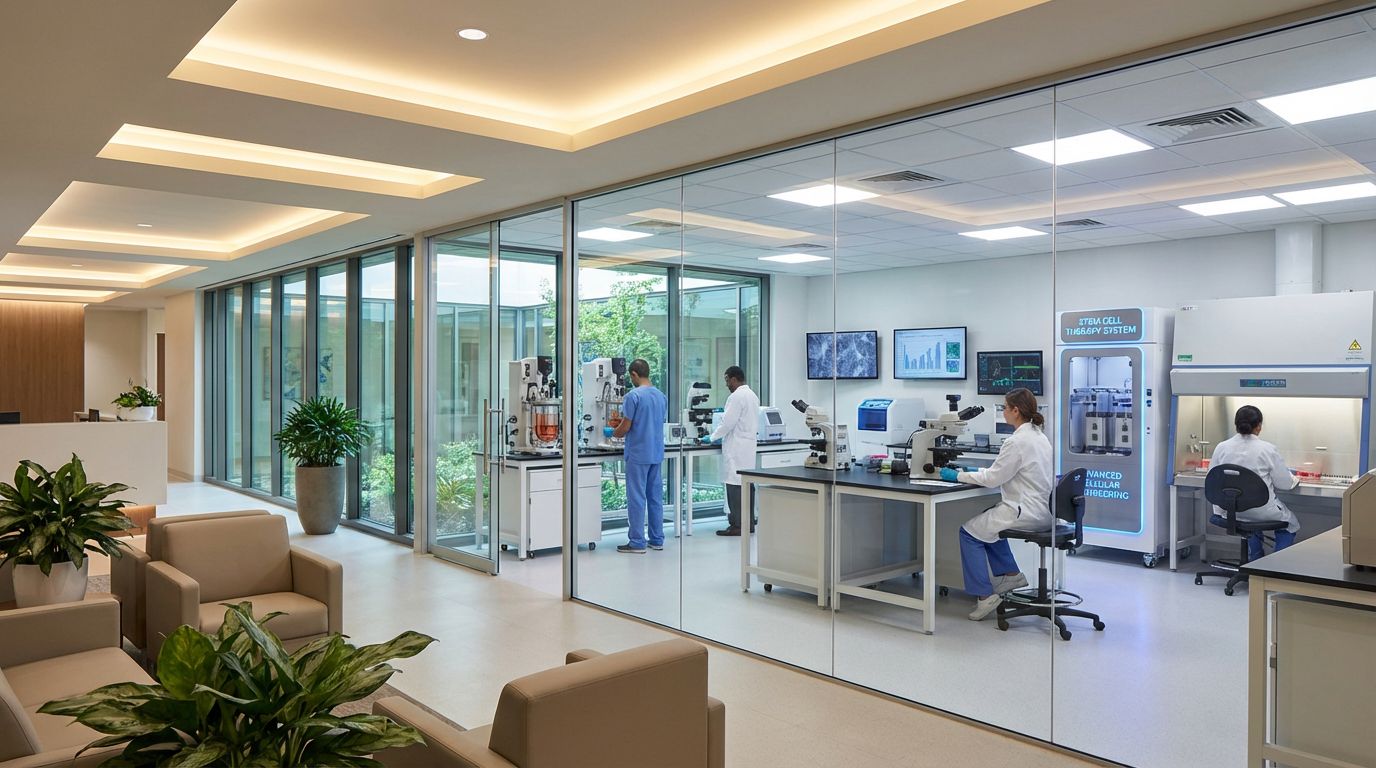
Understanding the regional landscape is the first step in your regenerative medicine journey.
H2: Stem Cell Therapy Cost Comparison: Where Does Your Money Go?
Cost is arguably the most significant factor driving medical tourism. While the final price of stem cell therapy is highly dependent on the specific condition being treated, the type of cells used (autologous or allogeneic), the number of sessions, and the clinic's reputation, general regional trends are clear. Singapore represents the high-end of the market, while Malaysia and Thailand offer more competitive pricing, often attracting international patients seeking value.
H3: Singapore: Premium Pricing and Stringent Regulation
Singapore’s healthcare system is globally recognized for its world-class standards and rigorous regulatory environment. This commitment to quality is reflected in the pricing. Stem cell treatments in Singapore typically range from USD $5,000 to $50,000 or more per treatment course. The higher cost is directly linked to the strict compliance with the Health Sciences Authority (HSA) guidelines, the use of state-of-the-art, often imported, technology, and the involvement of highly specialized, internationally-trained physicians. Patients choosing Singapore are prioritizing safety and regulatory assurance above all else.
H3: Malaysia: The Value Proposition
Malaysia has rapidly emerged as a leading medical tourism destination, offering a compelling balance of quality and affordability. The cost of stem cell therapy in Malaysia is significantly lower than in Singapore, generally falling between USD $4,300 and $17,000. This makes it an attractive option for patients from Western countries and neighboring regions. Malaysian clinics, many of which are accredited by international bodies, operate under the oversight of the Ministry of Health (MOH). The lower operational costs, combined with a high standard of medical care, position Malaysia as a strong value proposition in the regenerative medicine field. Our own clinic, located in Damansara Utama, Petaling Jaya, is a testament to this commitment to accessible, high-quality care. Learn more about our clinic's protocols and pricing here.
H3: Thailand: Broadest Range and High Accessibility
Thailand offers the broadest cost range, from as low as USD $1,260 up to $20,000. This wide variation is due to the diverse nature of clinics, from smaller, less regulated wellness centers to large, internationally-accredited hospitals. Thailand’s long-standing reputation as a medical tourism giant ensures high accessibility and a wide choice of providers. However, prospective patients must exercise the highest degree of due diligence, as the regulatory landscape can be more permissive, leading to a greater disparity in the quality of treatment protocols and laboratory standards.
| Country | Approximate Cost Range (USD) | Regulatory Environment | Key Advantage |
|---|---|---|---|
| Singapore | $5,000 – $50,000+ | Highly Stringent (HSA) | Highest Regulatory Assurance & Quality |
| Malaysia | $4,300 – $17,000 | Regulated (MOH) | Excellent Value & Quality Balance |
| Thailand | $1,260 – $20,000 | Varied (National Medical Regulations) | High Accessibility & Lowest Entry Price |
H2: Quality and Regulatory Oversight: Beyond the Price Tag
While cost comparison is essential, the quality of care and the regulatory framework are paramount. The effectiveness and safety of stem cell therapy depend heavily on the source of the cells, the laboratory processing standards (Good Manufacturing Practice or GMP), and the clinical expertise of the treating physician.
H3: Navigating the Regulatory Landscape in Southeast Asia
The regulatory environment dictates the types of treatments available and the standards of practice. Singapore maintains the most conservative and stringent approach, primarily approving treatments that are well-established and backed by robust clinical evidence. This often means that certain experimental or novel therapies available elsewhere may not be offered in Singapore. Malaysia has a progressive, yet controlled, framework under the Ministry of Health, aiming to foster innovation while maintaining patient safety. This balanced approach allows for a wider range of approved therapies compared to Singapore, but with clear guidelines on cell processing and clinical trials. Thailand's regulations are more decentralized, which has led to a proliferation of clinics. While many reputable, internationally-accredited hospitals exist, the patient must be vigilant to ensure the chosen facility adheres to ethical and scientific standards, as the oversight can be less centralized for smaller, independent centers.
H2: Key Factors Influencing Your Choice of Destination
Choosing the right country involves more than just looking at the price list. Patients should consider the following critical factors:
H3: Specific Treatment and Cell Type
The type of stem cell treatment required—whether it's for orthopedic conditions, anti-aging, neurological disorders, or autoimmune diseases—will influence the best choice. For instance, if a patient requires a specific, highly-specialized procedure that is only offered in a clinical trial setting, the regulatory environment of the country will be the deciding factor. Mesenchymal Stem Cells (MSCs) are commonly used across all three countries, but the quality and source (e.g., umbilical cord, adipose tissue, bone marrow) can vary. Always inquire about the cell viability, purity, and the laboratory's accreditation.
H3: Logistics, Travel, and Post-Treatment Support
The overall patient experience includes travel logistics, accommodation, and post-treatment follow-up. Malaysia and Thailand are generally easier and less expensive to travel to and stay in than Singapore. However, if long-term follow-up is required, choosing a location that is easily accessible from your home country is crucial. Our clinic in Malaysia offers comprehensive patient support, including assistance with travel and accommodation, ensuring a seamless experience. Read our patient testimonials to understand our commitment to care.
H2: Making an Informed Decision: The Path to Regenerative Health
Ultimately, the "best country" for stem cell therapy is the one that aligns with your priorities: budget, desired level of regulatory assurance, and the specific medical need.
If your primary concern is the most rigorous regulatory oversight and you have a flexible budget, Singapore is the clear choice. If you are seeking the most affordable entry point and are willing to perform extensive due diligence on the clinic, Thailand offers many options. However, for the majority of international patients, Malaysia provides the optimal middle ground: a highly competitive price point combined with a robust, government-regulated healthcare system and internationally-accredited facilities. This balance ensures that patients receive high-quality care without the prohibitive costs associated with other premium destinations.
We strongly encourage all prospective patients to consult with a specialist who can provide a personalized assessment based on their medical history and treatment goals. Do not let cost be the sole determinant; prioritize safety, quality, and the expertise of the medical team.
Schedule Your Free Consultation Today Explore Our Treatment Options