
1. Introduction: The Dawn of Regenerative Medicine in Malaysia
Regenerative Medicine Therapy (RMT) represents a paradigm shift in healthcare, moving beyond merely managing symptoms to actively repairing and replacing damaged tissues and organs. At the heart of this revolution is stem cell therapy, a powerful tool that harnesses the body's natural healing mechanisms. Malaysia has emerged as a significant hub for RMT in Southeast Asia, with growing research and clinical applications focused on addressing the nation's rising burden of chronic and degenerative diseases. This comprehensive guide is designed to inform patients and their families about the specific conditions currently being treated with stem cells in Malaysia, offering a professional and informative overview of the science, safety, and future prospects of this innovative field. To understand the foundational concepts, we recommend reading our detailed guide on What is Stem Cell Therapy.
2. The Science Behind Stem Cell Therapy
Stem cells are the body's master cells, possessing the unique ability to self-renew and differentiate into various specialized cell types. While several types exist, the most commonly utilized in clinical settings are Mesenchymal Stem Cells (MSCs) and Hematopoietic Stem Cells (HSCs).
MSCs, often sourced from umbilical cord tissue, bone marrow, or adipose tissue, are multipotent cells that can differentiate into bone, cartilage, muscle, and fat cells. Their therapeutic power extends beyond simple replacement; they exert potent paracrine effects, releasing anti-inflammatory molecules, growth factors, and immunomodulatory agents that create an optimal environment for tissue repair and regeneration. HSCs, primarily found in bone marrow and cord blood, are responsible for the lifelong production of all blood and immune cells. Understanding these fundamental mechanisms is crucial for appreciating the wide range of conditions that can be addressed through RMT.
3. Established Treatments: Hematopoietic Stem Cell Transplantation (HSCT)
The most established and widely accepted form of stem cell therapy globally, and in Malaysia, is Hematopoietic Stem Cell Transplantation (HSCT). This procedure has been a cornerstone of treatment for specific life-threatening diseases for decades.
Blood Cancers and Immune Disorders
HSCT involves replacing a patient's diseased or damaged bone marrow with healthy stem cells, allowing the body to regenerate a new, healthy blood and immune system.
Leukemia and Lymphoma
HSCT is a standard, curative treatment for various leukemias and lymphomas. Malaysia has a long history with this procedure, with documented cases dating back to 1987. The success of HSCT in treating these conditions underscores the immense potential of stem cells when applied within a rigorous, regulated clinical framework.
Other Blood Disorders
Beyond cancer, HSCT is also used to treat severe non-malignant conditions, including aplastic anemia, thalassemia, and certain inherited immune system disorders.
4. Regenerative Medicine for Chronic and Degenerative Conditions
The most exciting frontier in RMT involves the use of stem cells, particularly MSCs, to treat chronic and degenerative conditions that have historically been difficult to manage with conventional medicine. These applications are often the focus of clinical trials and advanced private practice in Malaysia.
Orthopedic and Musculoskeletal Conditions
Stem cell therapy offers a minimally invasive option for patients suffering from joint and soft tissue damage, aiming to repair and regenerate rather than just mask the pain.
Osteoarthritis and Joint Pain
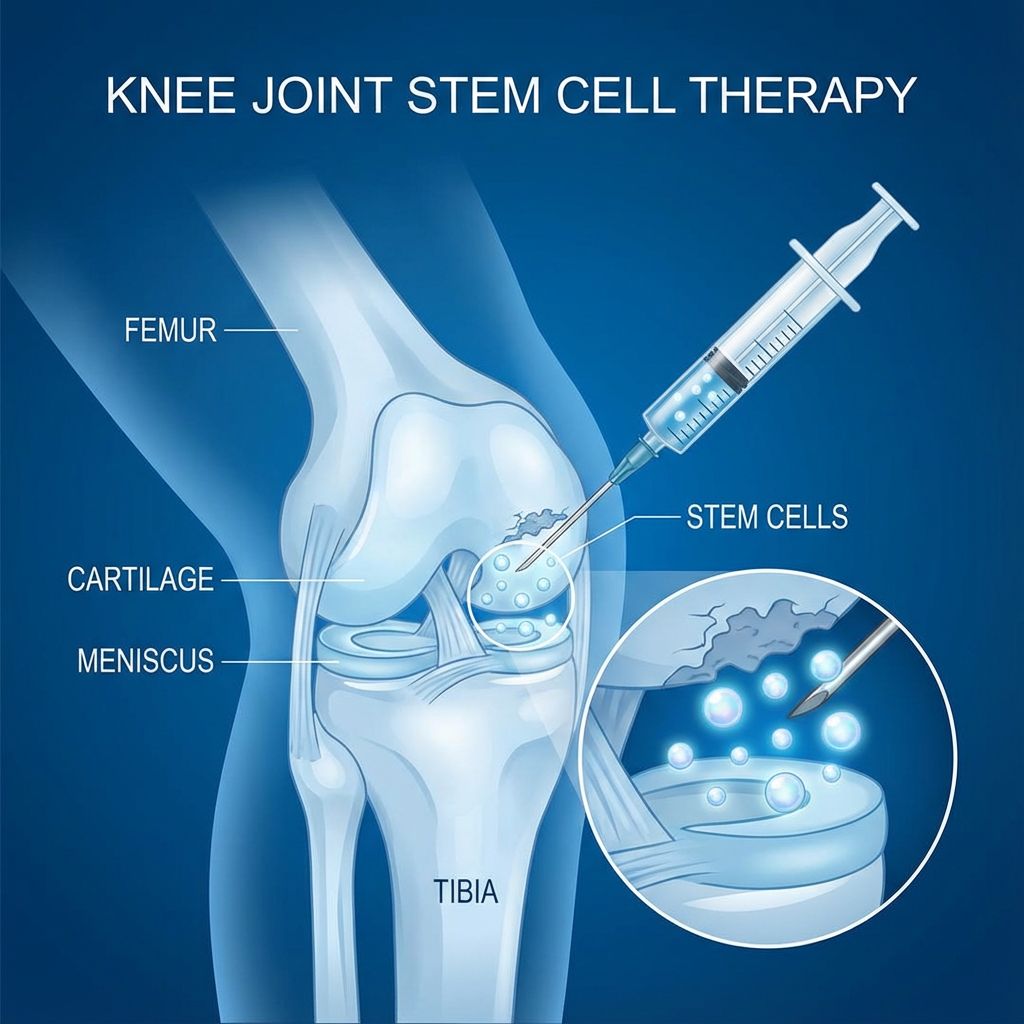
Osteoarthritis (OA), a major cause of chronic pain and disability, is a prime target for RMT. MSCs are injected directly into the affected joint (e.g., knee, hip, shoulder) where they reduce inflammation, slow cartilage degradation, and stimulate the body's own repair processes. This approach provides a promising alternative for patients seeking to delay or avoid joint replacement surgery. For more information on this specific treatment, please visit our page on Stem Cell Therapy for Osteoarthritis.
Spinal Cord Injury and Chronic Tendonitis
While full regeneration of the spinal cord remains a complex challenge, stem cell research shows promise in mitigating secondary damage and promoting functional recovery after injury. Similarly, chronic conditions like tendonitis (e.g., Achilles' tendinosis, rotator cuff tears) benefit from the localized anti-inflammatory and tissue-remodeling effects of MSCs and Platelet-Rich Plasma (PRP).
Neurological Disorders
The neuroprotective and anti-inflammatory properties of MSCs make them highly relevant for a range of neurological conditions.
Stroke Recovery and Neurodegenerative Diseases
Following a stroke, stem cells are being investigated for their ability to promote the repair of damaged brain tissue, improve blood flow, and reduce the inflammatory cascade that contributes to long-term disability. For neurodegenerative diseases like Parkinson's Disease and Multiple Sclerosis (MS), MSCs are used to modulate the immune system (in MS) and provide neurotrophic support to protect remaining neurons (in Parkinson's).
Autism Spectrum Disorder and Cerebral Palsy
In the context of neurodevelopmental disorders, stem cell therapy is being explored for its potential to reduce chronic inflammation and improve neural connectivity, offering hope for functional improvements in children with Autism Spectrum Disorder (ASD) and Cerebral Palsy (CP).
Chronic Systemic Diseases
The systemic effects of stem cells allow them to address the underlying pathology of complex chronic illnesses.
Diabetes and Anti-Aging
Stem cell therapy for Type 2 Diabetes focuses on improving pancreatic function and reducing systemic inflammation and insulin resistance. In the realm of anti-aging, stem cells are used to revitalize organ function, improve skin elasticity, and enhance overall vitality by replenishing cell populations and reducing chronic, low-grade inflammation.
Chronic Kidney Disease (CKD)
CKD is a growing health concern in Malaysia. Early research suggests that stem cells may help slow the progression of kidney damage by reducing fibrosis and promoting the regeneration of functional renal tissue.
5. Safety, Regulation, and the Malaysian Context
The advancement of RMT in Malaysia is governed by a commitment to patient safety and ethical practice. The Ministry of Health (MOH) has established regulatory guidelines to ensure that all stem cell procedures are conducted responsibly. Patients are strongly advised to seek treatment only from facilities that adhere to the national guidelines and possess the necessary licenses. This ensures the source, processing, and administration of the cells meet stringent quality and safety standards. For a detailed look at the regulatory landscape, please refer to our page on Stem Cell Therapy Safety and Ethics.
6. Your Next Step Towards Regenerative Health
Choosing regenerative medicine is a significant decision. Our clinic is dedicated to providing personalized, evidence-based stem cell protocols tailored to your specific condition. We believe in empowering our patients with knowledge and offering the highest standard of care.
Ready to Explore Your Treatment Options?
Our team is ready to discuss how stem cell therapy can be integrated into your health plan.
Schedule Your Consultation TodayReferences
- Regenerative Medicine Therapy in Malaysia: An Update. PMC.
- Ministry of Health Malaysia Guidelines on Stem Cell Research and Therapy.
- Various clinical studies on MSCs for Osteoarthritis, Neurological Disorders, and Diabetes.