
Introduction: Harnessing the Power of the Cord
The umbilical cord, once discarded as medical waste, is now recognized as a powerful source of stem cells, the body's fundamental building blocks. These cells, particularly those derived from the cord blood and cord tissue, hold immense promise in the field of regenerative medicine and have already proven life-saving in treating various hematological and immunological disorders. For patients in Malaysia and globally, understanding the science, applications, and benefits of umbilical cord stem cells (UCSC) is the first step toward exploring advanced therapeutic options.
What Are Umbilical Cord Stem Cells?
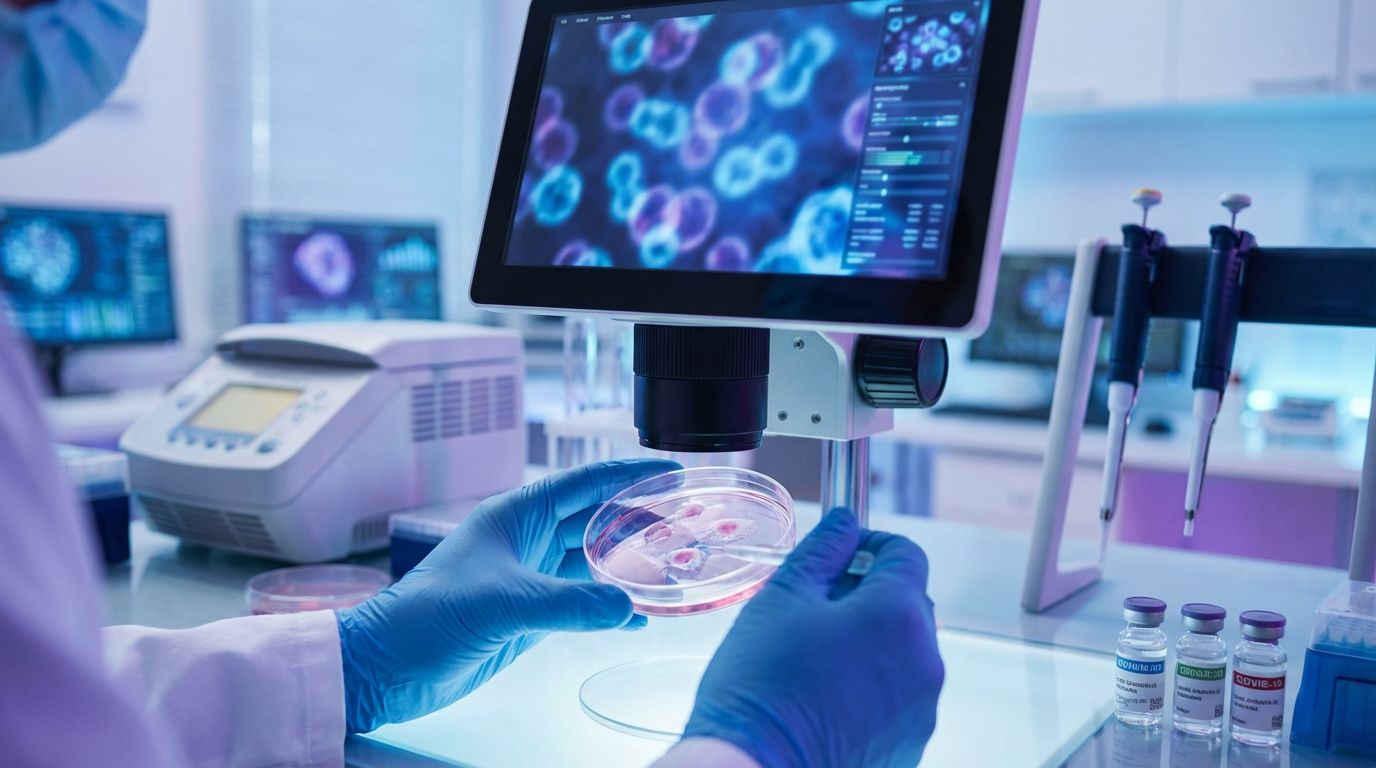
Umbilical cord stem cells are broadly categorized into two main types, each with distinct therapeutic properties:
1. Hematopoietic Stem Cells (HSCs)
Found primarily in the umbilical cord blood, HSCs are multipotent cells responsible for generating all types of blood cells, including red blood cells, white blood cells, and platelets. Their primary use is in transplantation to restore the blood and immune system following high-dose chemotherapy or to treat inherited blood disorders.
2. Mesenchymal Stem Cells (MSCs)
Found in the umbilical cord tissue (specifically Wharton's Jelly), MSCs are multipotent stromal cells that can differentiate into a variety of cell types, including bone cells (osteoblasts), cartilage cells (chondrocytes), fat cells (adipocytes), and muscle cells (myocytes). MSCs are highly valued in regenerative medicine for their potent anti-inflammatory, immunomodulatory, and tissue-repairing properties. They also secrete various growth factors and cytokines that support the healing process. Learn About Mesenchymal Stem Cells (MSCs)
Comparison of Umbilical Cord Stem Cell Types
| Cell Type | Primary Source | Primary Function | Therapeutic Focus |
|---|---|---|---|
| Hematopoietic Stem Cells (HSCs) | Cord Blood | Form all blood and immune cells | Blood disorders, immune system diseases |
| Mesenchymal Stem Cells (MSCs) | Cord Tissue (Wharton's Jelly) | Differentiate into bone, cartilage, fat, muscle | Regeneration, anti-inflammation, autoimmune diseases |
Found in the umbilical cord tissue (specifically Wharton's Jelly), MSCs are multipotent stromal cells that can differentiate into a variety of cell types, including bone cells (osteoblasts), cartilage cells (chondrocytes), fat cells (adipocytes), and muscle cells (myocytes). MSCs are highly valued in regenerative medicine for their potent anti-inflammatory, immunomodulatory, and tissue-repairing properties. They also secrete various growth factors and cytokines that support the healing process. Learn About Mesenchymal Stem Cells (MSCs)
The Advantages of Umbilical Cord Stem Cells
UCSC offer several significant advantages over stem cells sourced from other areas, such as bone marrow or peripheral blood:
- Youth and Potency: UCSC are "younger" and less exposed to environmental toxins and disease, giving them superior proliferative capacity and vitality. Umbilical cord-derived MSCs, in particular, exhibit faster self-renewal rates compared to adult-derived MSCs [1].
- Non-Invasive Collection: The collection process is non-invasive, painless, and poses no risk to the mother or the baby, as it occurs immediately after birth.
- Immunological Benefits: Cord blood units have a lower risk of causing Graft-versus-Host Disease (GvHD) in allogeneic (non-self) transplants compared to bone marrow, allowing for a greater degree of HLA mismatch [2]. This makes them a more accessible option for patients needing a donor.
- Ethical Sourcing: The cells are sourced from a material that would otherwise be discarded, avoiding the ethical concerns associated with embryonic stem cells.
Established and Emerging Applications
The therapeutic potential of UCSC spans a wide range of medical conditions, from established treatments to promising clinical trials. Explore Our Stem Cell Therapy Options
Established Treatments (HSCs)
HSCs from cord blood are a standard treatment for nearly 80 conditions, including:
- Leukemias and Lymphomas: Replacing diseased blood-forming cells after chemotherapy.
- Inherited Blood Disorders: Such as Thalassemia and Sickle Cell Anemia.
- Inherited Immune System Disorders: Correcting primary immunodeficiencies.
- Metabolic Disorders: Treating certain inborn errors of metabolism.
Regenerative Medicine (MSCs)
MSCs are the focus of extensive research for their ability to repair and regenerate damaged tissues. Emerging applications include:
- Orthopedic Conditions: Repairing cartilage damage, osteoarthritis, and chronic joint pain.
- Neurological Disorders: Showing promise in trials for conditions like cerebral palsy, autism, and stroke recovery due to their neuroprotective effects.
- Autoimmune Diseases: Modulating the immune system to treat conditions like Lupus and Multiple Sclerosis.
- Chronic Illnesses: Research is exploring their use in diabetes, heart disease, and lung conditions [3].
Umbilical Cord Stem Cell Therapy in Malaysia
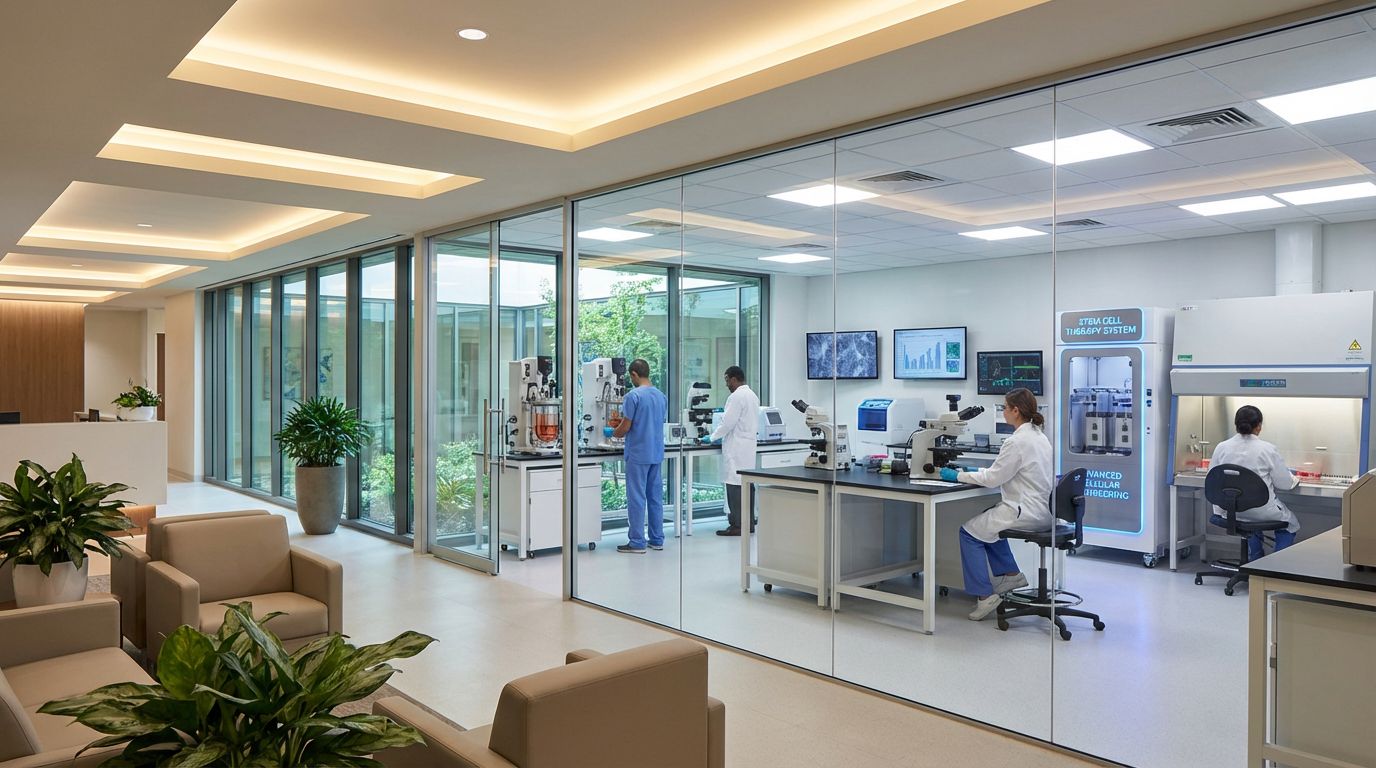
Malaysia is a rapidly developing hub for regenerative medicine, with a growing number of licensed facilities and medical professionals offering stem cell therapies. The regulatory landscape, overseen by the Ministry of Health, ensures that treatments are conducted under strict guidelines, providing a safe and professional environment for patients.
The local context is particularly relevant for patients seeking treatment in the region:
- Accessibility: Several private and public initiatives, including cord blood banking services, are available, making the option of storing or accessing UCSC more feasible.
- Research Focus: Malaysian researchers are actively contributing to the global body of knowledge, particularly in the use of umbilical cord-derived MSCs for chronic illnesses, reflecting a commitment to advanced therapeutic options [4].
- Clinic Location: Our clinic, located at No 27M, Jalan SS 21/56b, Damansara Utama, 47400 Petaling Jaya, Selangor, Malaysia, is strategically positioned to serve patients across the Klang Valley and beyond, offering personalized consultation and advanced stem cell protocols.
The Treatment Process: What to Expect
A typical stem cell therapy journey involves several key stages:
- Consultation and Assessment: A detailed review of the patient's medical history, current condition, and suitability for UCSC therapy. This includes diagnostic tests and a personalized treatment plan.
- Cell Preparation: Sourcing and preparing the high-quality, viable stem cells. This may involve thawing banked cells or preparing allogeneic (donor) cells.
- Administration: The cells are administered to the patient, typically via intravenous infusion or localized injection, depending on the condition being treated.
- Post-Treatment Care: Monitoring the patient's response, managing any side effects, and implementing a rehabilitation plan to maximize therapeutic outcomes.
Safety and Efficacy
UCSC therapy is generally considered safe, especially when administered in a licensed, professional setting. The primary safety concerns revolve around the quality and source of the cells. Reputable clinics adhere to international standards for cell processing and quality control.
Efficacy varies depending on the condition. For established treatments like blood disorders, the success rates are high. For regenerative applications, efficacy is supported by a growing body of clinical evidence, though many treatments remain under clinical investigation. Patients should always consult with a qualified specialist to understand the expected outcomes for their specific condition. View Patient Testimonials
Conclusion: A New Era of Healing
Umbilical cord stem cells represent a profound shift in medical science, moving beyond symptom management to true biological repair and regeneration. As research continues to unlock their full potential, UCSC therapies will increasingly offer hope and effective solutions for a wide array of debilitating conditions. If you or a loved one are exploring regenerative options, we encourage you to Contact Us Today for a confidential consultation to determine if UCSC therapy is right for you.
References
[1] Stem Cell Medical Center. The Body's Natural Healing Power: The Promise of Umbilical Cord Stem Cells.
[2] About Stem Cells. Cord Blood & Uses to Treat Disease.
[3] PMC. A case series on safety and tolerability of human umbilical...
[4] Frontiers in Bioengineering and Biotechnology. Regenerative Medicine Therapy in Malaysia: An Update.