
Rheumatoid Arthritis (RA) is a chronic, systemic autoimmune disorder that primarily affects the joints, leading to pain, swelling, stiffness, and eventual joint destruction and disability. Affecting millions worldwide, RA significantly diminishes the quality of life for patients. While conventional treatments, such as Disease-Modifying Anti-Rheumatic Drugs (DMARDs) and biologic agents, have improved outcomes, they often come with significant side effects and do not provide a cure. For many, the disease remains active or refractory, necessitating the exploration of more advanced, targeted therapies. Regenerative medicine, particularly stem cell therapy, represents a promising new frontier, offering a mechanism to not only manage symptoms but potentially modulate the underlying immune dysfunction.
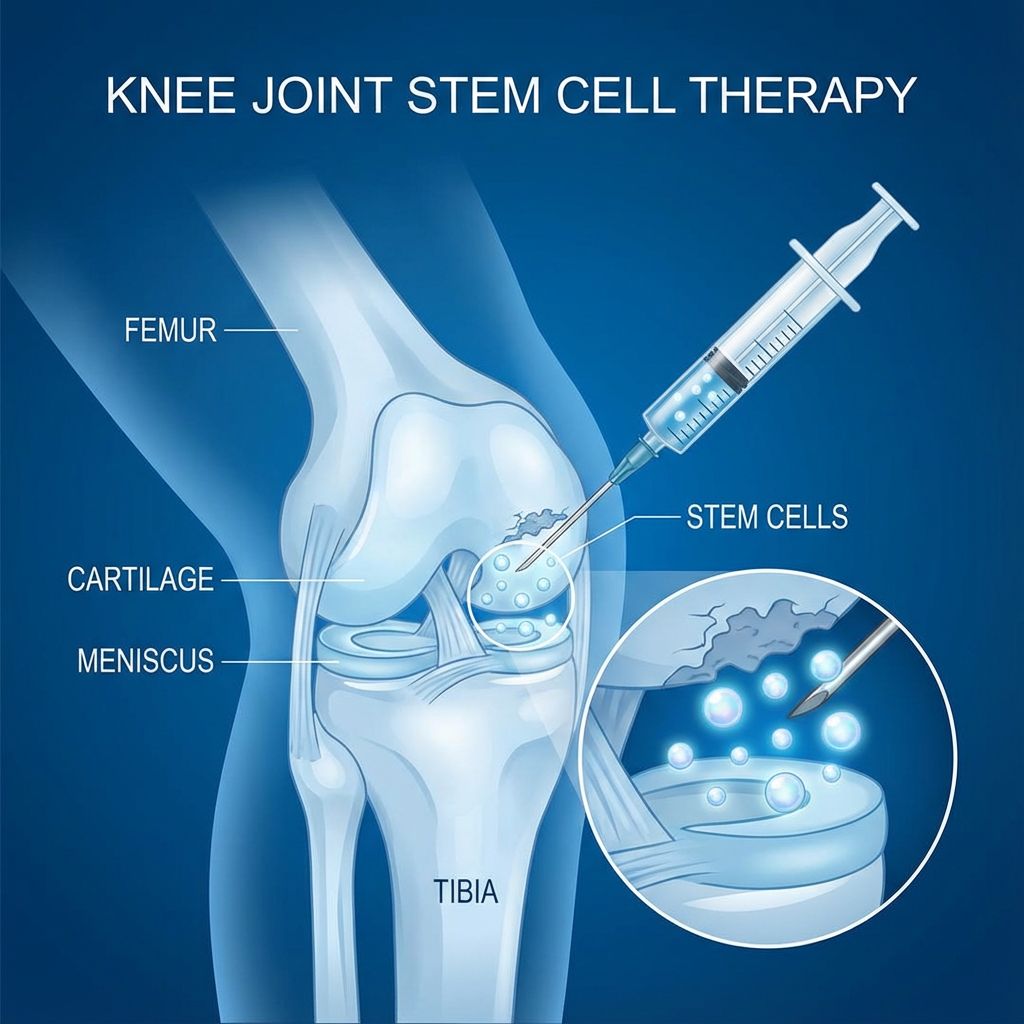
Understanding Rheumatoid Arthritis and the Need for Advanced Treatment
Rheumatoid arthritis is characterized by the immune system mistakenly attacking the body's own tissues, specifically the synovium—the lining of the membranes that surround the joints. This attack leads to inflammation, which thickens the synovium and eventually destroys the cartilage and bone within the joint. The chronic inflammation is driven by a complex interplay of pro-inflammatory cytokines, such as TNF-α, IL-1, and IL-6, and various immune cells.
Current treatments aim to suppress this overactive immune response. While effective for many, a substantial portion of patients either fail to respond adequately to these therapies or experience intolerable side effects. Furthermore, these treatments often require lifelong commitment and can leave patients vulnerable to infections. The need for a therapy that can reset or rebalance the immune system, rather than simply suppressing it, is paramount. This is where the unique properties of stem cells offer a compelling solution.
The Science Behind Stem Cell Therapy for Rheumatoid Arthritis
Stem cell therapy for RA primarily utilizes Mesenchymal Stem Cells (MSCs), also known as Mesenchymal Stromal Cells. These are multipotent stromal cells that can be isolated from various tissues, including bone marrow, adipose tissue, and umbilical cord tissue. MSCs are not used to replace damaged joint tissue in the same way they might be used for orthopedic injuries; instead, their therapeutic effect in RA is overwhelmingly immunomodulatory and anti-inflammatory.
How Mesenchymal Stem Cells (MSCs) Work
The mechanism of action for MSCs in autoimmune diseases like RA is multifaceted and highly sophisticated:
1. Immune System Modulation
MSCs possess a remarkable ability to interact with and regulate key immune cells, including T-cells, B-cells, dendritic cells, and natural killer (NK) cells. They can suppress the proliferation and function of pro-inflammatory T-cells (Th1 and Th17) and promote the generation of regulatory T-cells (Tregs), which are crucial for maintaining immune tolerance. This rebalancing act helps to dampen the systemic autoimmune attack. Learn more about the types of stem cells we use.
2. Anti-inflammatory Cytokine Secretion
MSCs secrete a wide array of soluble factors, including anti-inflammatory cytokines (such as IL-10 and TGF-β) and chemokines. They also inhibit the production of pro-inflammatory cytokines (like TNF-α and IFN-γ) by the immune cells in the inflamed joint environment. This localized and systemic reduction in inflammation is key to alleviating RA symptoms.
3. Trophic and Regenerative Support
Beyond their immune effects, MSCs release trophic factors that support tissue repair. While they may not directly regenerate cartilage destroyed by RA, they can create a microenvironment conducive to healing, protecting existing joint structures, and potentially promoting the repair of damaged synovial tissue.
Clinical Evidence and Safety Profile
Numerous preclinical studies and a growing number of clinical trials have investigated the use of MSCs for RA. Systematic reviews and meta-analyses of these trials have consistently shown a favorable safety profile. Side effects are generally mild and transient, including temporary fever, headache, or localized pain at the injection site. Importantly, no life-threatening adverse events or increased risk of infection have been widely reported, which is a significant advantage over many conventional immunosuppressive drugs.
In terms of efficacy, studies indicate a trend toward clinical improvement in RA patients treated with MSCs. Patients often report reduced joint pain, decreased morning stiffness, and improved joint function. Biomarkers of inflammation, such as C-reactive protein (CRP) and the erythrocyte sedimentation rate (ESR), have also been shown to decrease following treatment. While stem cell therapy is not yet a universally approved cure, the evidence suggests it can be a safe, effective, and feasible therapeutic option, particularly for patients with refractory RA.

The Stem Cell Therapy Process
The process of receiving stem cell therapy for RA typically involves several key steps, which are tailored to the individual patient's condition and the specific protocol used by the clinic.
1. Consultation and Evaluation
A thorough medical evaluation is performed to confirm the RA diagnosis, assess disease activity, and determine the patient's suitability for stem cell therapy. This includes reviewing medical history, current medications, and imaging studies.
2. Cell Source and Preparation
The most common sources for therapeutic MSCs are:
- Autologous: Cells derived from the patient's own body (e.g., adipose tissue or bone marrow).
- Allogeneic: Cells derived from a healthy, screened donor (e.g., umbilical cord tissue). Allogeneic sources, particularly Umbilical Cord Mesenchymal Stem Cells (UC-MSCs), are often preferred due to their high potency, youthful characteristics, and the fact that they can be administered without the risk of immune rejection.
3. Administration
The prepared stem cells are typically administered intravenously (IV) to achieve a systemic immunomodulatory effect, or sometimes via intra-articular injection directly into the most affected joints. The IV route allows the cells to circulate and home to areas of inflammation throughout the body.
4. Post-Treatment Care and Follow-up
Patients are monitored closely after the procedure. Follow-up appointments are crucial to track clinical progress, assess changes in disease activity scores (like DAS28), and monitor inflammatory markers.
Why Choose Regenerative Medicine for RA?
Choosing a regenerative approach like stem cell therapy is a decision rooted in the desire for a treatment that addresses the root cause of the disease—immune dysregulation—with a high safety profile.
Key Advantages:
- Targeted Immunomodulation: Rebalances the immune system rather than broadly suppressing it.
- High Safety Profile: Generally well-tolerated with minimal, transient side effects.
- Potential for Long-Term Remission: The effects can be sustained, offering a break from daily medication.
- Complementary Therapy: Can often be used in conjunction with existing RA medications. Explore treatments for other autoimmune conditions.
Our Clinic: Your Partner in Regenerative Health
Located at No 27M, Jalan SS 21/56b, Damansara Utama, 47400 Petaling Jaya, Selangor, Malaysia, our clinic is dedicated to providing world-class regenerative treatments. We adhere to stringent international standards for cell processing and administration, ensuring the highest quality of care. Our protocols are based on the latest scientific research, focusing on the use of potent, ethically sourced Mesenchymal Stem Cells to help patients with chronic conditions like Rheumatoid Arthritis find relief and reclaim their quality of life.
We believe in a personalized approach, where every patient receives a treatment plan tailored to their unique medical profile. If you or a loved one are struggling with refractory RA and seeking an alternative to conventional therapies, we invite you to explore the potential of regenerative medicine.
Ready to explore a new path to wellness?
Take the first step toward a life with less pain and greater mobility.
Schedule Your Consultation Today Learn About Our Other Autoimmune TreatmentsDisclaimer: Stem cell therapy is an advanced medical procedure. Results may vary, and a comprehensive consultation with a medical professional is required to determine suitability.