
Parkinson's Disease (PD) is a progressive neurodegenerative disorder that affects millions worldwide, characterized primarily by motor symptoms such as tremor, rigidity, and bradykinesia. These symptoms arise from the selective loss of dopamine (DA) neurons in the substantia nigra region of the brain. While conventional treatments, such as Levodopa, effectively manage symptoms in the early stages, their long-term use often leads to debilitating complications like motor fluctuations and drug-induced dyskinesias. This challenge has driven intensive research into regenerative medicine, positioning stem cell therapy as one of the most promising avenues for a disease-modifying treatment [1].
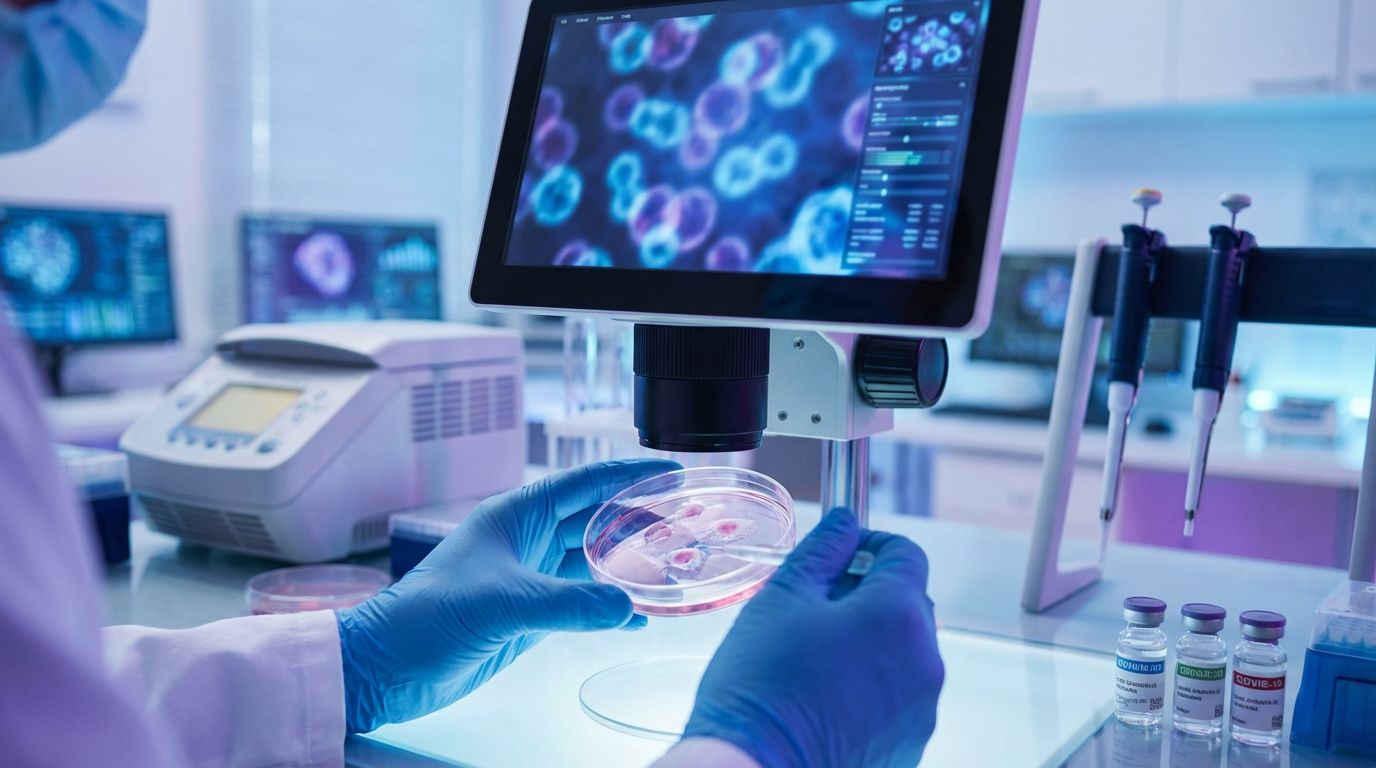
The Science of Dopaminergic Neuron Replacement
The core principle of stem cell therapy for Parkinson's Disease is to replace the lost DA-producing neurons. Early attempts involved transplanting human fetal ventral mesencephalon (hfVM) tissue, which showed that engrafted cells could survive, synthesize dopamine, and improve motor symptoms in some patients [2]. However, these trials were hampered by ethical concerns, supply limitations, and the risk of graft-induced dyskinesias (GIDs) [3].
The field has since advanced significantly, focusing on Pluripotent Stem (PS) cells as a scalable and ethically sound alternative. Specifically, Induced Pluripotent Stem (iPS) cells—which are adult cells reprogrammed back to an embryonic-like state—are now the focus of cutting-edge clinical research. These iPS cells can be directed to differentiate into dopaminergic progenitor cells, which are then transplanted into the patient's brain, typically the putamen, where they mature into functional DA neurons [4].
Induced Pluripotent Stem Cells (iPSCs) vs. Other Cell Types
| Cell Type | Source | Status in PD Treatment | Key Advantage | Key Challenge |
|---|---|---|---|---|
| Fetal Tissue | Aborted fetuses | Historical/Limited | Proven ability to differentiate into DA neurons | Ethical issues, limited supply, GIDs risk |
| Embryonic Stem Cells (ESCs) | Embryos | Clinical Trials (Phase I) | Pluripotency, high differentiation potential | Ethical debate, allogeneic rejection risk |
| Induced Pluripotent Stem Cells (iPSCs) | Patient's own cells (autologous) or healthy donor (allogeneic) | Advanced Clinical Trials (Phase I/II) | Scalable, can be HLA-matched, lower ethical concern | Complex manufacturing, tumorigenicity risk |
| Mesenchymal Stem Cells (MSCs) | Bone marrow, fat tissue | Primarily supportive/neuroprotective | Easily accessible, immunomodulatory properties | Do not replace DA neurons, limited direct efficacy |
Promising Clinical Trial Results: Safety and Efficacy
Recent Phase I/II clinical trials, particularly those using allogeneic iPS-cell-derived dopaminergic progenitors, have provided compelling evidence of the therapy's potential. A landmark trial conducted at Kyoto University Hospital demonstrated both the safety and potential clinical benefits of this approach [5].
Key Findings from iPSC Trials:
- Safety: The primary outcome of the trial confirmed the safety of the procedure, with no serious adverse events reported over a 24-month monitoring period. Crucially, Magnetic Resonance Imaging (MRI) showed no evidence of tumour formation or graft overgrowth, which is a major concern with pluripotent cells [5].
- Survival and Function: The transplanted allogeneic iPS-cell-derived dopaminergic progenitors were confirmed to have survived and produced dopamine in the patient's brain. This was evidenced by a significant increase in the Fluorine-18-L-dihydroxyphenylalanine (18F-DOPA) influx rate constant (Ki) values in the putamen, indicating restored DA synthesis [5].
- Motor Improvement: Efficacy evaluation showed meaningful improvements in motor symptoms. Patients demonstrated an average improvement in the Movement Disorder Society Unified Parkinson’s Disease Rating Scale (MDS-UPDRS) part III OFF scores, which measures motor function when off medication. Furthermore, the Hoehn–Yahr stages, a measure of disease progression, improved in a significant number of patients [5].
These results mark a critical step forward, suggesting that iPSC-derived cell replacement therapy is a viable strategy for treating Parkinson's Disease.
Schedule Your Consultation TodayThe Future of Parkinson's Treatment: Beyond Dopamine Replacement
While the replacement of lost dopaminergic neurons is the most direct and promising approach, regenerative medicine research for Parkinson's Disease is also exploring complementary strategies. These include neuroprotection and neurorestoration, which aim to slow the progression of the disease and repair existing damage.
Neuroprotective and Neurorestorative Strategies
1. Gene Therapy: This approach involves delivering genetic material to the brain to either increase the production of dopamine or to protect existing neurons from degeneration. For example, some trials focus on delivering genes that encode for growth factors, such as Glial Cell Line-Derived Neurotrophic Factor (GDNF), which can promote the survival and function of DA neurons. The FDA has granted Regenerative Medicine Advanced Therapy (RMAT) designation to some investigational gene therapies for PD, highlighting their potential [9].
2. Mesenchymal Stem Cells (MSCs): Although MSCs do not directly replace DA neurons, they are known for their powerful immunomodulatory and neurotrophic properties. When transplanted, MSCs can secrete various growth factors and anti-inflammatory cytokines that create a more favorable microenvironment for the survival of native neurons. This supportive role is being investigated in numerous clinical settings, often as an adjunctive therapy to slow down the neurodegenerative process [10].
3. Small Molecule Drugs and Repurposing: Stem cell models, particularly iPSC-derived neurons from PD patients, are invaluable tools for drug discovery. They allow researchers to screen thousands of compounds to identify those that can prevent the degeneration of DA neurons or correct cellular dysfunction specific to PD subtypes. This in vitro modeling accelerates the identification of new drug candidates and the repurposing of existing drugs for PD treatment [11].
The combination of direct cell replacement (iPSCs) with these neuroprotective and neurorestorative strategies represents a multi-faceted approach that holds the greatest promise for a comprehensive and long-lasting treatment for Parkinson's Disease. Our clinic remains at the forefront of this integrated approach, continually evaluating the latest scientific advancements to offer the most effective care to our patients.
Navigating the Regenerative Medicine Landscape in Malaysia
As a leading center for regenerative medicine in Southeast Asia, our clinic operates within the strict regulatory framework established by the Ministry of Health (MOH) Malaysia and the National Pharmaceutical Regulatory Agency (NPRA). The Malaysian government has comprehensive guidelines for Cell and Gene Therapy Products (CGTPs), ensuring that all treatments offered are either part of approved clinical trials or utilize registered, approved products [6].
The Importance of Regulatory Compliance
Patients seeking stem cell therapy for Parkinson's Disease in Malaysia must exercise caution. The global landscape includes many clinics offering unproven, non-compliant, and potentially harmful "stem cell tourism" treatments [7]. These unapproved therapies carry significant risks, including infection, immune rejection, and the formation of tumours (teratomas) [8].
Our commitment is to provide treatments that adhere to the highest standards of medical ethics and regulatory compliance. We focus on therapies that are grounded in robust scientific evidence and are aligned with the national guidelines for regenerative medicine. We believe that the future of PD treatment lies in the scientifically validated approach of dopaminergic neuron replacement, and we are dedicated to bringing these advanced, safe, and effective options to our patients.
Your Path to Regenerative Treatment
If you or a loved one are exploring advanced treatment options for Parkinson's Disease, our team of specialists is here to guide you through the complex world of regenerative medicine. We provide a thorough evaluation to determine suitability for the latest scientifically-backed therapies.
Our Clinic Address: No 27M, Jalan SS 21/56b, Damansara Utama, 47400 Petaling Jaya, Selangor, Malaysia.
Further Reading
- Understanding Regenerative Medicine: Learn more about the broad scope of regenerative therapies we offer.
- Our Approach to Neurological Disorders: See how we apply advanced therapies to a range of neurological conditions.
- Patient Safety and Regulatory Compliance: Read about our commitment to ethical and regulated medical practice.
- Contact Us for a Consultation: Start your journey with a confidential discussion with our medical team.
Call to Action
Take the Next Step: Schedule a confidential consultation with our medical team to discuss how regenerative medicine may offer a new path forward in managing Parkinson's Disease.
Contact Us TodayReferences
- Parkinson's Disease Foundation. Understanding Parkinson's.
- Kordower, J. H. et al. Neuropathological evidence of graft survival and widespread dopamine fiber innervation in a patient with Parkinson's disease 14 years after transplantation. Nature Medicine.
- Olanow, C. W. et al. A double-blind controlled trial of bilateral fetal nigral transplantation in Parkinson's disease. Annals of Neurology.
- Takahashi, J. et al. Clinical application of iPS cell-derived neural cells in Parkinson's disease. Cell Stem Cell.
- Sawamoto, N. et al. Phase I/II trial of iPS-cell-derived dopaminergic cells for Parkinson’s disease. Nature, 641, 971–977 (2025).
- Ministry of Health Malaysia. Guidelines for Cell and Gene Therapy Products (CGTPs).
- International Society for Stem Cell Research (ISSCR). Patient Handbook on Stem Cell Therapies.
- Michael J. Fox Foundation. Ask the MD: What about Stem Cells?.
- AskBio. AskBio Receives FDA Regenerative Medicine Advanced Therapy Designation for Parkinson's Disease Investigational Gene Therapy.
- Volarevic, V. et al. Mesenchymal stem cell-derived factors as new therapeutic agents. Cytokine & Growth Factor Reviews.
- Harvard Stem Cell Institute. Parkinson's Disease.